

What if you could build your own business tools, automate client intake, streamline bookings, or even create custom dashboards, without needing to know how to code?
That’s not just a dream. It’s happening every day. Thanks to the rise of low-code and no-code platforms, freelancers and small businesses are now building solutions that once required full development teams. Whether you’re managing a solo venture or juggling multiple clients, these tools give you more control, faster turnaround, and far fewer tech headaches. 
The Rise of Low-Code Tools
Low-code platforms are gaining momentum and for good reason. They come packed with drag-and-drop interfaces, pre-built templates, and simple logic builders that make it possible to create everything from internal systems to client-facing apps.
The real draw? You don’t need to be a developer to get started.
For freelancers and small businesses, this opens up a world of possibilities. Instead of waiting on outside help (and paying extra for it), you can build what you need, exactly when you need it. You stay in control of your timeline, your budget, and your results.
Low-Code vs. No-Code: What’s the Difference?
You’ve probably heard both terms thrown around, so let’s clear it up.
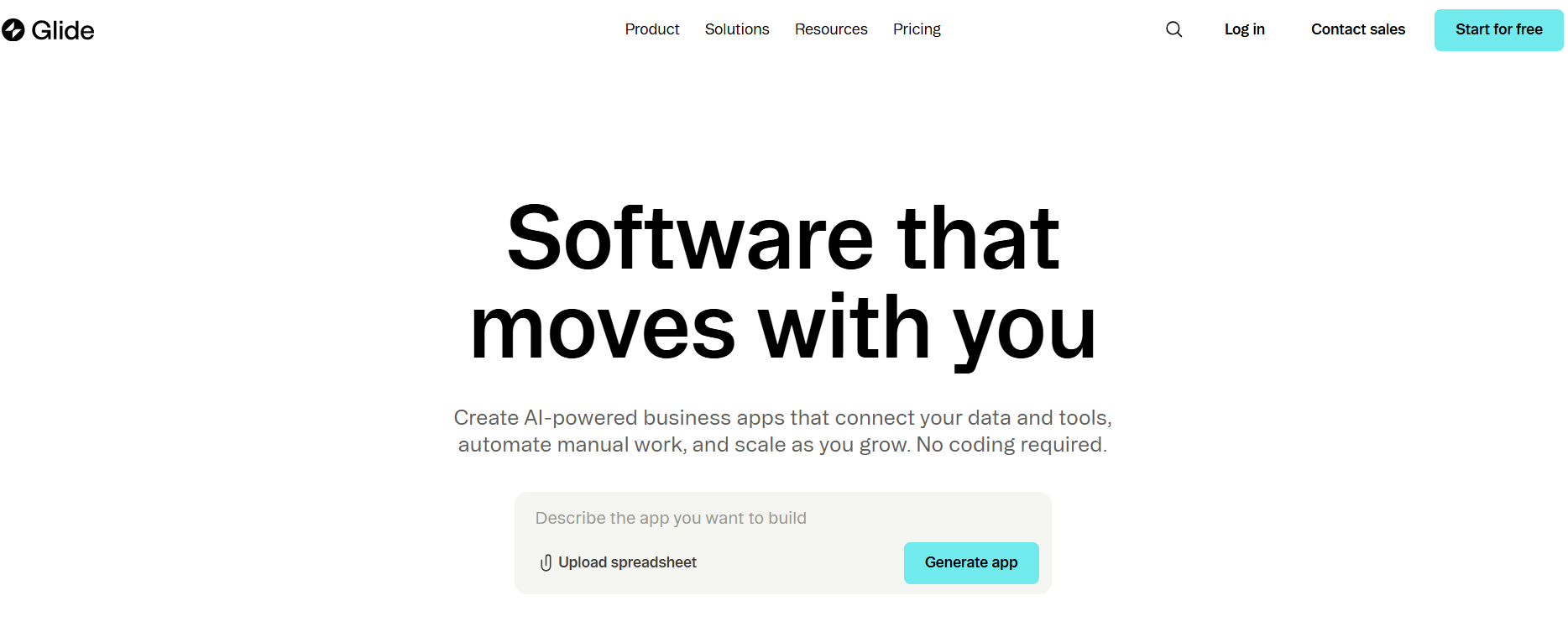
No-code platforms are built for users with zero technical experience. They’re ideal for creating basic applications, like a contact form, a task manager, or a lightweight CRM, without writing a single line of code. For a great example, platforms like Glide make it incredibly easy to turn a simple spreadsheet into a professional-looking app, without a single line of code. They are perfect for freelancers and small businesses who need a quick, elegant solution.
Low-code platforms, on the other hand, offer more power and flexibility. They’re still beginner-friendly but allow for more customisation, deeper integrations, and greater scalability. You might need to learn a bit of logic or terminology, but you don’t need a programming background. Think of platforms like OutSystems, Mendix, or Zoho Creator.
So, if you’re starting small or need a quick solution, no-code is a great fit. But if your needs are slightly more complex, like connecting your CRM to a booking system or building custom dashboards, low-code will take you further.
Solving Real Business Pain Points
This isn’t just about building flashy apps. It’s about solving real problems that drain your time and energy.
Take Sarah, for example. She runs a boutique marketing agency called Creative Spark and was constantly losing track of new leads in her inbox. With a low-code platform, she created her own intake app that collects lead data, sends out a personalised onboarding email, and feeds everything into her CRM. She set it up in just a few days and now saves more than 20 hours every month.
Or look at Jake, a freelance wedding photographer. He used to manage photo selections through endless email threads, which led to delays and confusion. Using Glide , a no-code platform that specialises in building apps from your existing data sources like Google Sheets, he built a sleek photo approval app that lets clients browse, favourite, and finalise their picks in just a few clicks. The result? Faster turnaround and a more professional client experience.
Even brick-and-mortar businesses are getting in on the action. One local bakery used Zoho Creator to build a custom order and delivery tracker. Now, they can manage daily orders, optimise delivery routes, and update customers—all without relying on outside software.
These aren’t massive overhauls. They’re smart, targeted fixes that give business owners back their time and focus.

The AI Edge: Where Low-Code Is Headed
One of the most exciting trends right now? Low-code platforms are starting to integrate AI, and the possibilities are huge.
Imagine having AI help you build your app faster by suggesting the next logical step, or scanning your workflow to identify where automation could save you time. Some platforms can now generate design layouts based on your input or even suggest messaging for customer emails.
Microsoft’s Power Platform, for example, uses AI to categorise customer queries and predict outcomes based on past behaviour. OutSystems is investing in AI to help developers (and non-developers) write smarter logic. These aren’t far-off ideas; they’re already happening.
AI doesn’t replace your creativity. It just removes more friction between your ideas and the tech you need to bring them to life.
Learning Curves and Getting Started
Of course, every new tool comes with a bit of a learning curve. But low-code platforms help you ramp up quickly. Most platforms offer step-by-step tutorials, vibrant community forums, ready-to-go templates, and free trials or freemium plans so you can experiment safely before diving in. The best approach? Start small. Many platforms like Glide offer a free plan and a huge library of templates to help you get started with a client portal, a booking system, or a project tracker right away.
Ready to Go Further? Resources for Your Low-Code Journey
The beauty of low-code and no-code is that you don’t have to go it alone. Whether you want to deepen your skills or get a project built for you, there are countless resources available. 1. Learn a New Skill on Your Own Time If you’re ready to dive in and master a specific tool, platforms like Coursera and Udemy offer a wealth of courses tailored for beginners. You can find everything from “Introduction to No-Code” certifications to in-depth tutorials on specific tools like Airtable or Glide. These platforms make it easy to learn at your own pace and earn a credential to show off your new skills. 2. Outsource a Project to a Pro Maybe you’re too busy to build a solution yourself, or you have a complex project that requires more expertise. Freelance marketplaces like Upwork are home to thousands of developers who specialise in low-code and no-code platforms. You can find a professional to build a custom CRM, automate a workflow, or create a powerful app for a fraction of the cost of hiring a traditional developer. This is a great way to get the exact solution you need without the time commitment of building it yourself. 
Future-Proofing Your Business with Low-Code
Low-code platforms don’t just save you time in the short term. They help future-proof your business.
By building digital independence, you reduce your reliance on developers for every update or tweak. You can pivot quickly, respond to client needs faster, and evolve your systems on the fly. That kind of agility is gold in fast-moving industries.
You also gain a valuable layer of digital literacy. Even if you decide to bring in developers down the line, you’ll collaborate more effectively and avoid miscommunication and long feedback cycles.
Make It Yours
You don’t need to be a tech genius to create custom solutions for your business. You just need the right tool and the right starting point.
Low-code and no-code platforms put that power in your hands, helping you build smarter, automate faster, and spend more time doing the work that lights you up.
Your business is unique. Now, your tools can be too.