






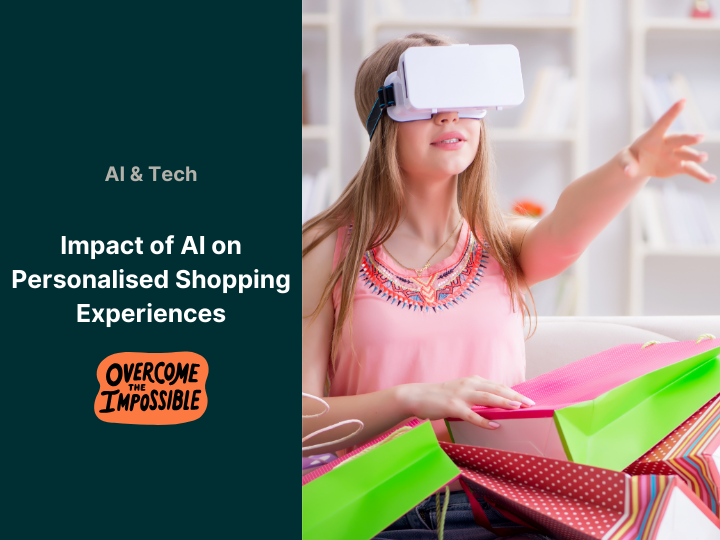
Have you ever found yourself wandering aimlessly through seemingly endless aisles, completely overwhelmed by the sheer multitude of choices available? Perhaps you’ve even wished, at some point, that someone could simply handpick the absolute perfect product specifically for you. If so, then welcome to the fascinating world of AI in personalised shopping, a truly transformative realm where shopping isn’t merely a task to be completed, but rather an engaging and intuitive experience meticulously tailored to your individual whims and fancies. Let’s delve into how AI is fundamentally changing the entire shopping experience as we know it. Not only will we explore the intricate mechanics of precisely how it all works behind the scenes, but we will also examine in detail exactly why it’s rapidly transforming the act of shopping into something considerably more streamlined, efficient, and ultimately, far more enjoyable. So, get ready to witness firsthand how AI is progressively making shopping smarter, demonstrably faster, and, most importantly, much more accurately tailored to your unique and specific needs. 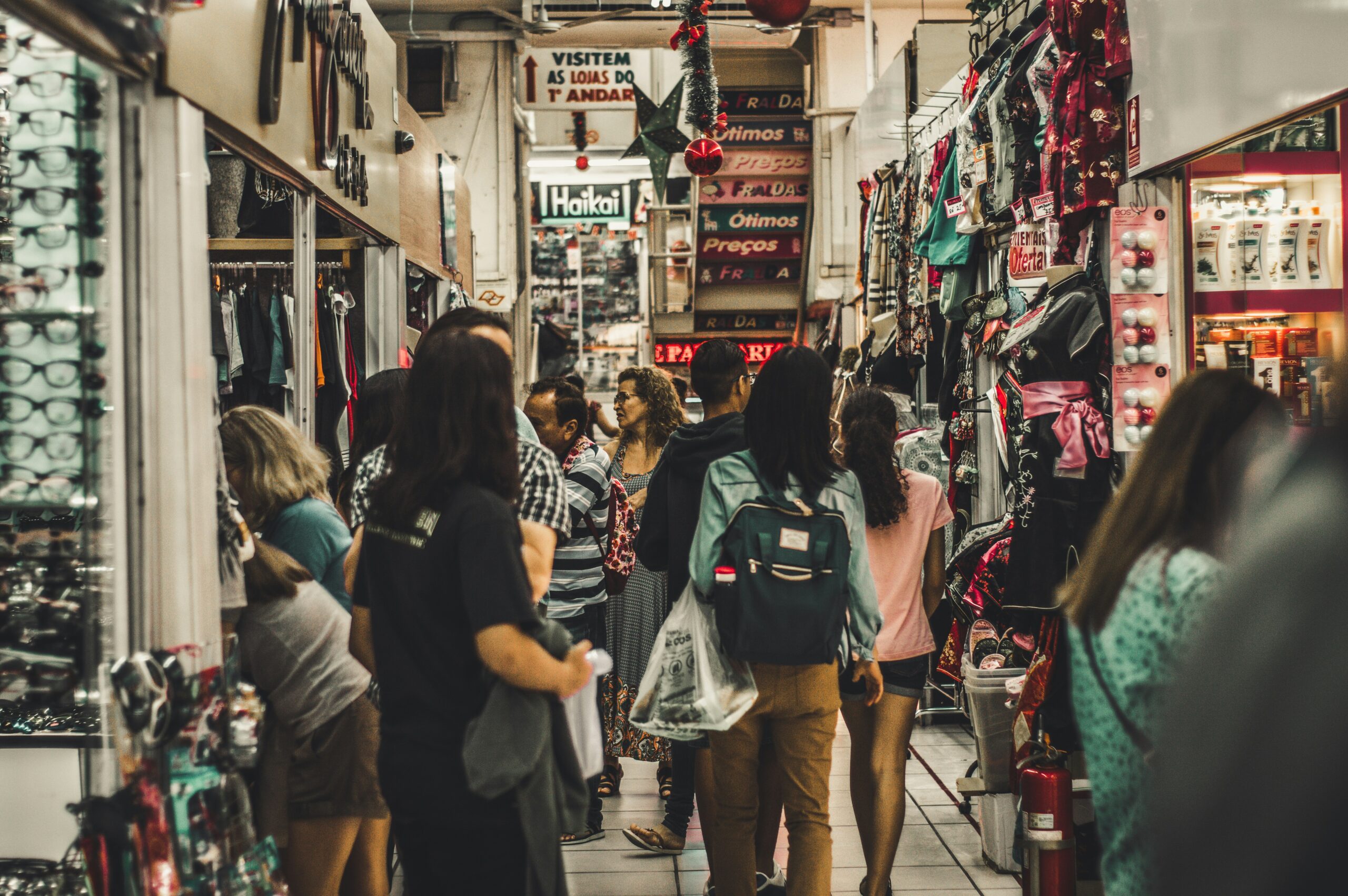
Understanding Personalised Shopping with AI
Personalisation in shopping isn’t new. Remember the friendly shopkeeper who knew your regular purchases? Well, AI is the digital version, only with a memory as vast as the internet and an expertise that spans countless product categories. AI personalisation operates by analysing your shopping habits, preferences, and even past browsing data. This involves complex algorithms and real-time analysis, which together seamlessly provide recommendations so accurate they might just feel human. As a result, this approach significantly increases the chances of finding the right product, thereby elevating the overall shopping experience. In fact, a study by eMarketer shows that retailers using AI to personalise shopping experiences can see a 20% increase in customer satisfaction. Impressive, right? It’s like having a personal shopper, save for the existential insights and snappy attire. **
The Backbone: Data and Machine Learning
AI’s magic wand is data—and lots of it. Data on what customers prefer, what they buy, and how often they’re scouring the virtual aisles. Like Sherlock with a magnifying glass, AI sifts through this data with algorithms trained to notice patterns. Furthermore, machine learning, a subset of AI, refines these patterns by learning from data without human intervention. Each search you make or product you click on contributes to the vast database from which AI continuously learns. For instance, if you’re consistently checking out the newest graphic tees, AI will likely prioritise displaying them on your homepage, making your shopping experience even more tailored. This personalisation isn’t just for peppy twenty-somethings or tech bros. Homeowners looking to furnish their spaces or upgrade their systems find AI as an invaluable assistant in sorting through endless options. 
Benefits of AI Personalised Shopping
Steering away from one-size-fits-all approaches, AI in shopping focuses on personal preferences. In light of this, let’s break down the chief benefits homeowners might encounter: 1. Time-saving: No more endless scrolling. With AI, the most pertinent products surface first, trimming decision-making time. 2. Cost-effective: AI offers suggestions based on budget constraints, allowing for smarter financial decisions. 3. Satisfaction and Ease: An AI-driven recommendation aligns more closely with preferences, leading to higher satisfaction levels. According to a report by McKinsey, 71% of customers expect a personalised experience , and a business not offering it risks losing clientele. Not having AI optimising your shopping could be like wandering in the wild with a blindfold—why take the chance?
Tackling the Concerns: Privacy and Control
Despite its many benefits, AI-driven personalisation, however, isn’t cruising smoothly and is still facing several significant hurdles. Chief among them? Privacy. Personalised shopping often requires gathering personal data. As a result, users should remain aware and informed about data usage practices. Furthermore, transparency from retailers can help alleviate any qualms, thereby empowering customers to shop with greater confidence. A European study noted that 57% of consumers are uneasy about how their data is used. However, companies addressing these concerns with robust data-handling policies usually fare better in customer trust. To combat these privacy issues, tech-savvy shoppers can opt for stronger personal data controls. Ad blockers, privacy settings, and cookie management tools aid in keeping data use within personal comfort zones. 
How AI is Shaping Future Shopping Experiences
AI in personalised shopping is just getting started, and the future looks exciting. In the coming years, we’re likely to see voice-activated AI helpers who can predict and suggest exactly what you need. For instance, imagine asking, “AI, I need a garden trowel to match my shovel,” and instantly receiving the perfect recommendation, complete with a discount. AI’s potential also extends to sustainability, guiding shoppers toward eco-friendly and locally sourced products. Plus, when combined with augmented reality, AI could revolutionize how we shop by letting us virtually experience products, like testing a couch in your living room before buying. Thrillingly, by seamlessly incorporating by-products of AI in personalised shopping, such as facial recognition and virtual stylists, experiences can be enhanced, making the entire process smoother and more intuitive. Retailers who embrace these technologies set new standards in shopping, enhancing loyalty and engagement.
AI Personalisation Transforms the Retail Experience
By leveraging AI, the horizon of personalised shopping experiences saw dramatic expansions. In particular, AI personalization saves time and meets all your shopping needs, making it the smart shopper’s future. Now, as we stand on this precipice of change, being open to how AI navigates our preferences and promotes ease can truly transform our interaction with the retail world. Ultimately, while the occasional poor recommendation might slip through, AI is here for the win—especially when considering the countless benefits it offers. After all, who wouldn’t want a mega-efficient AI right at their arguably not-perfect shopping side, guiding them toward smarter choices and a smoother experience?