







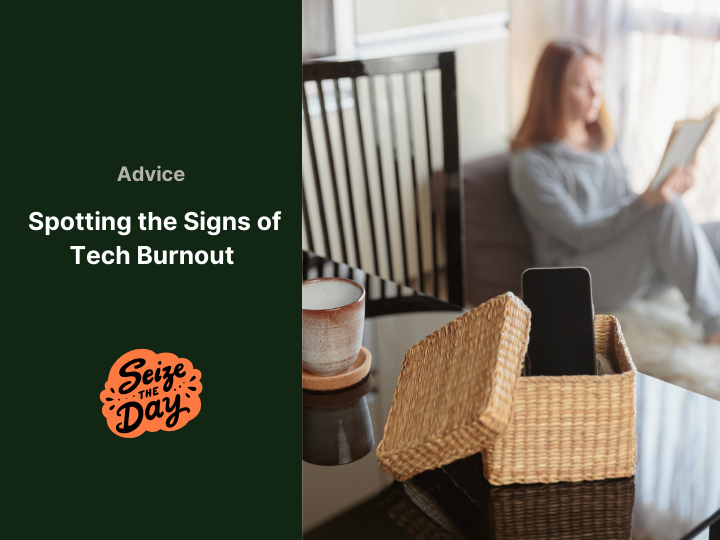
It’s all too easy to feel like our devices are running our lives. Whether it’s work emails, social media feeds, or catching up on your favourite shows, screens are always within reach. While technology has made things more convenient, it’s also left many of us feeling burned out and overwhelmed. If you’re starting to feel drained from your digital life, it might be time to hit pause and do a tech reset. Let’s explore how to spot the signs of tech burnout and how a digital detox can help you regain balance.
Signs You’re Headed for Tech Burnout
-
Emotional and Psychological
Tech burnout often starts in subtle emotional ways, which can slowly build up over time. You might notice you’re constantly tired, even after what should be a restful night’s sleep. Little things may start to irritate you more than usual, leading to frustration. It can also affect your motivation—work, hobbies, and even activities you once loved may no longer bring the same satisfaction. Focusing becomes a struggle, and that inner voice turns more negative, feeding you self-doubt. Feeling overwhelmed by your digital life is a key indicator that it’s time to step back.
-
Steps to Break Free from Tech Burnout
Burnout doesn’t just affect your mood—it shows up in your body, too. You may find yourself getting sick more often, as stress weakens your immune system. Sleep patterns can become erratic, with difficulty falling or staying asleep. Your appetite might change, leading you to eat more or less than usual. On top of that, headaches, neck and back pain, or sore eyes from screen strain become part of your daily life. 
-
Behavioural
When burnout takes hold, your behaviour starts to shift. Productivity tends to dip, and you might catch yourself procrastinating or avoiding important tasks altogether. You might also notice an increase in unhealthy coping mechanisms, like relying on caffeine, alcohol, or other substances to get through the day. Socially, you could find yourself pulling away from friends or family, opting instead for more screen time, even though it’s the very thing causing you stress.
Steps to Break Free from Tech Burnout
- Set Clear Goals** What do you hope to achieve? Whether it’s improving your focus, reducing stress, or simply reclaiming time for yourself, defining your goals will help guide your detox journey. It’ll also give you a sense of accomplishment when you notice positive changes in your habits.
- Establish Digital Boundaries Creating tech-free zones is a great way to start. This could mean banning devices from certain areas, like your bedroom, or setting screen-free times during meals or mornings. These simple boundaries help you stay in the moment and reduce mindless scrolling.
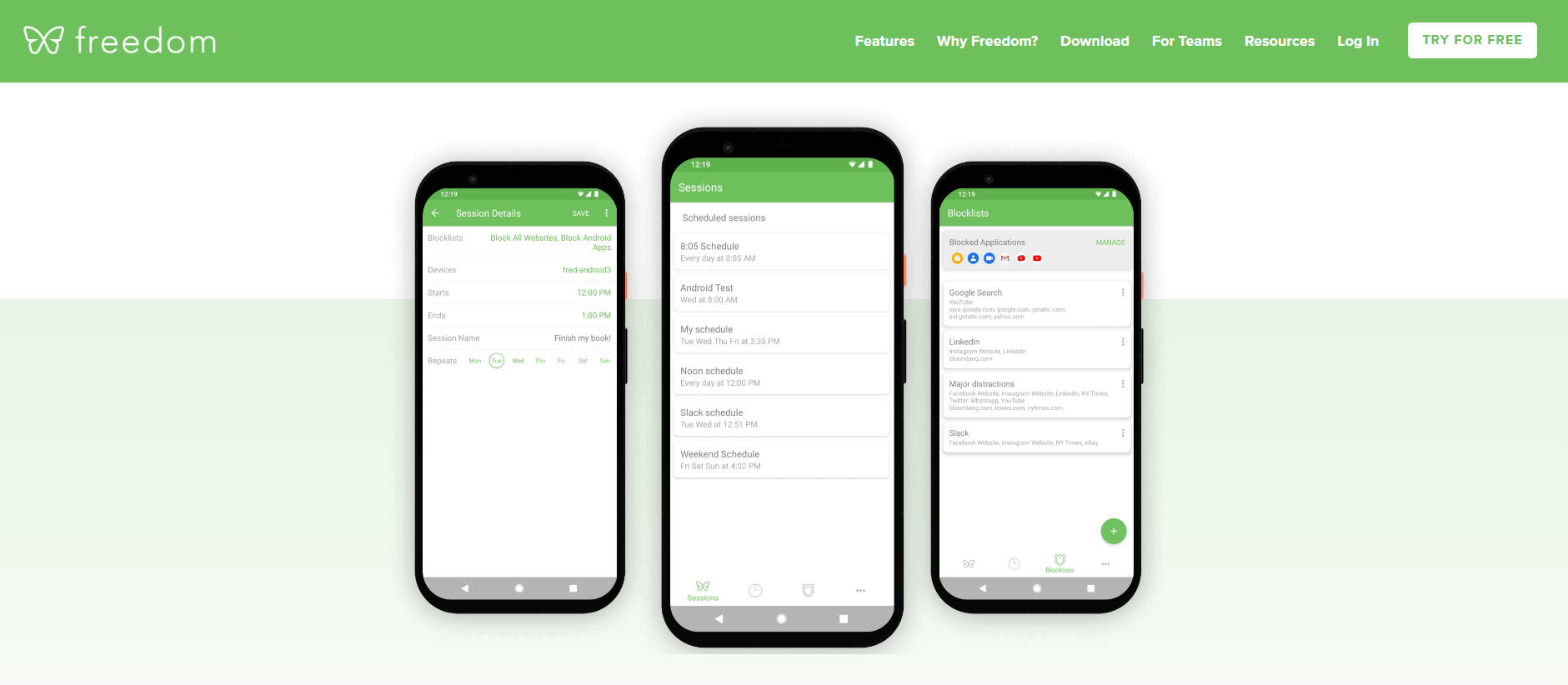
- Use Technology to Help You Cut Back Ironically, you can use tech to cut back on tech! Apps like **Freedom **(which blocks distracting websites and apps), Forest (which rewards you for staying off your phone), or built-in screen time trackers can help you monitor and limit your device use. These tools provide a tangible way to measure progress and reinforce your digital detox boundaries, allowing you to stay focused and in control of your screen time.
- Ease Into It** You don’t have to go all in from day one. Try taking an hour or two off from screens each day and gradually work your way up. Eventually, you could even dedicate one full day a week to being completely screen-free. By starting small, it becomes more manageable and less overwhelming.
- Find Activities That Energize You Swap screen time for activities that feed your soul. Whether it’s getting lost in a great book, exploring a new hobby, going for a run, or spending time in nature, finding alternatives to screen time will make your detox much more enjoyable. Plus, you’ll feel more energized and fulfilled.

- Practice Mindfulness** Incorporating mindfulness practices into your detox can amplify its benefits. Meditation, deep breathing exercises, or journaling can help you stay grounded, manage stress, and improve your awareness of how much time you’re really spending online. Mindfulness is also a great way to reset your mental state in moments when you’re tempted to reach for your phone. You can use mindfulness apps like Calm to stay grounded and manage stress during your digital detox.
Reflect, Adjust, and Move Forward
After completing your digital detox, take some time to reflect on how it has impacted your well-being. Have you noticed any changes in your focus or stress levels? Writing down these observations can help you better understand the benefits and motivate you to maintain healthier habits moving forward. Remember, a digital detox isn’t a one-time fix; it’s about creating lasting, healthy tech habits. Use what you’ve learned to adjust your screen time and make more space for real-life experiences, which will help you foster a more balanced relationship with technology. If you’ve found success, consider sharing your experience with friends or family. Having a support system can make it easier to stay on track, and everyone can benefit from reducing screen time together. By learning to recognize the early signs of tech burnout and taking steps to disconnect, you can regain control of your digital life. Start small, ease into your detox, and watch as your focus, energy, and sense of calm return. Take that first step toward a more balanced, tech-free lifestyle today.