







It’s no secret that artificial intelligence has started running the behind-the-scenes show in many of our cities. From traffic lights that “think” to public services that anticipate our needs, smart tech is everywhere. But with convenience coming at us from all angles, the big question hangs in the air: Are we trading too much of our privacy for a smoother ride through daily life?That’s where things get interesting—and more than a little complicated. Because this isn’t just about clever algorithms and time-saving gadgets. It’s also about people. Real people, living real lives in places where they expect to feel safe and respected.So let’s talk about it.
The Rise of AI in Modern Cities
The integration of artificial intelligence (AI) in urban settings has transformed smart cities across Western economies. AI systems are making daily life in cities more manageable—not just by improving traffic or energy use, but by creating environments that prioritise human wellbeing, safety, and access. These systems have the potential to free up time, reduce stress, and support more inclusive city experiences.  Cities like London and San Francisco have used AI to ease congestion with predictive traffic lights and data-driven planning. But as these systems collect vast amounts of data, questions arise: Who controls this data? And how is it used?Transparency, consent, and responsible data practices must become the norm. Smart cities have the power to empower, not just surveil.
The Innovation-Privacy Dilemma
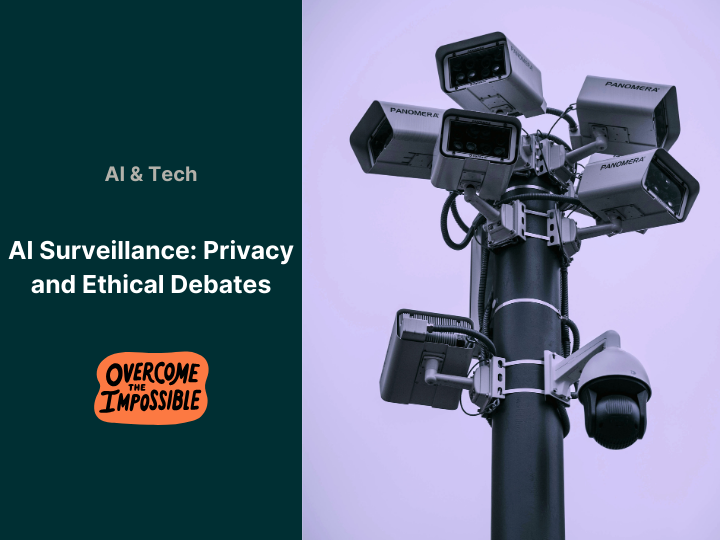
AI’s potential for analysing and predicting behaviour presents cities with the opportunity for innovation that seemed straight out of a sci-fi movie a decade ago. Systems can now monitor air quality, manage energy grids in real time, and ensure adaptive policing without human intervention. Nevertheless, the same technological prowess that drives these innovations can conflict with privacy. A city’s surveillance system might capture and store large amounts of personal data. While this data can be useful for enhancing security and efficiency, it might also expose citizens to unwarranted monitoring. Striking the right balance involves stringent data governance practices, ensuring transparency about how data is collected and utilized. Everyone loves efficiency, but not at the cost of compromising personal privacy.
Building Trust Through Transparency
Trust plays a crucial role in the public’s acceptance of AI systems. Transparency about how data is used, particularly in relation to user wellbeing and consent, is foundational to building this trust. It’s not enough to merely acknowledge the risks—cities must actively prioritise responsible design choices that respect individuals’ autonomy and protect their privacy. Amsterdam’s “Tada” manifesto is a great example of citizen-led digital policy. By involving residents in decisions about data use, the city created a model for ethical tech governance that others can follow.

Transparency should also empower individuals to make informed decisions about their participation in smart systems, offering them choices, controls, and clear recourse if their data is misused. Trust is built when people feel like co-owners of the technology shaping their environment. Adding to this, regulatory frameworks must adapt to these technological advancements. The General Data Protection Regulation (GDPR) in the EU, for example, has spotlighted the importance of citizens’ data rights and privacy. Ensuring that similar guidelines govern smart cities can aid in maintaining the delicate balance between innovation and privacy.
AI Ethics and Accountability
Accountability goes hand in hand with ethics in AI projects. Cities need to establish clear lines of accountability among all stakeholders involved—governments, private companies, and technology developers. These parties must ensure that AI systems abide by legal frameworks and ethical guidelines to prevent misuse.  Ensuring accountability also involves rigorous testing and audits of AI-driven systems. This includes regular checks to confirm that AI tools function within the intended ethical and legal boundaries. Creating open channels for feedback and concerns can further help refine these technologies, bolstering their responsible use in urban planning.
The Human Element in AI Ethics
Despite its capabilities, AI cannot operate ethically in a vacuum; it requires human oversight. Moral and ethical considerations must drive AI projects rather than purely technological ambitions. Diverse teams comprised of ethicists, technologists, policymakers, and public representatives can provide varied perspectives, aiding in the responsible development and deployment of AI. Encouraging community participation means citizens have a voice in how AI impacts their community development. This empowerment leads to more informed and balanced decisions regarding technology implementation.
The Real Future We’re Building
AI in cities isn’t just about automation. It’s about how we want to live together. Do we want cities that feel watched, or ones that feel smart and safe? Do we want tech that saves us time but robs us of choice, or tools that make life smoother while keeping us in the driver’s seat? It’s not the gadgets that will decide. It’s us. The more tech becomes a part of daily life, the greater the responsibility to do it right. That means being honest, thinking ahead, and putting people first. And if we can pull that off, if we can keep our cities smart without losing the human touch, then maybe we really are on the right track.