






Surveillance cameras are everywhere, quietly capturing our everyday activities. However, with the integration of artificial intelligence, these devices have evolved from passive observers to active analyzers, trackers, and learners. AI-driven surveillance is not a futuristic concept—it is a current reality that is rapidly expanding. This development raises significant questions. Who is truly monitoring us? What data is being collected? And most importantly, what are the implications for our privacy? In this article, we will explore the advantages, potential dangers, and ethical dilemmas surrounding AI surveillance. By the end, you will have a clearer understanding of how this technology is shaping our environment.
The Allure of AI: Why Surveillance is Skyrocketing
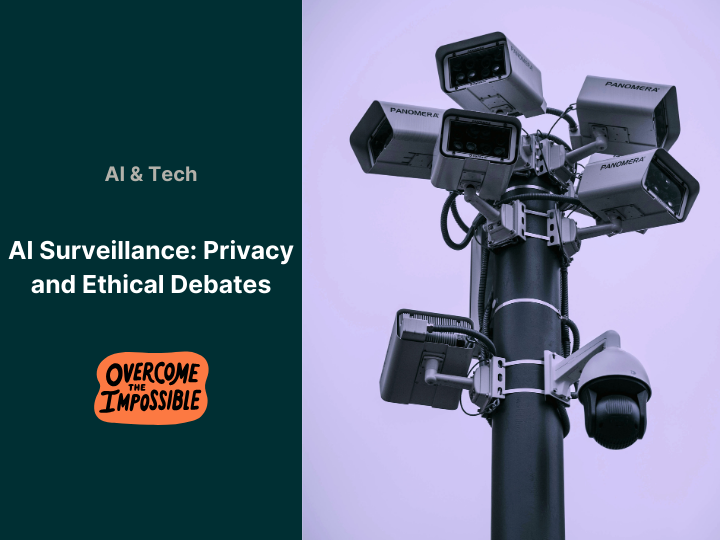
So, what is driving the unstoppable growth of AI surveillance? It is not hard to see why governments and businesses are increasingly drawn to these technologies. AI systems can analyze vast amounts of data in moments, far beyond human capabilities. Furthermore, facial recognition software, predictive analytics, and behavioural pattern recognition offer a level of detail previously unimaginable. For example, London’s extensive CCTV network features more than 420,000 cameras, making it one of the most monitored cities in the world. With AI integration, these systems become more than just passive observers. They can now predict, identify, and even respond to situations in real-time, significantly improving response capabilities. Clearly, AI surveillance provides efficiency and cost savings for authorities and commercial enterprises. Yet, such advancements come with a pressing question: at what cost to public privacy? 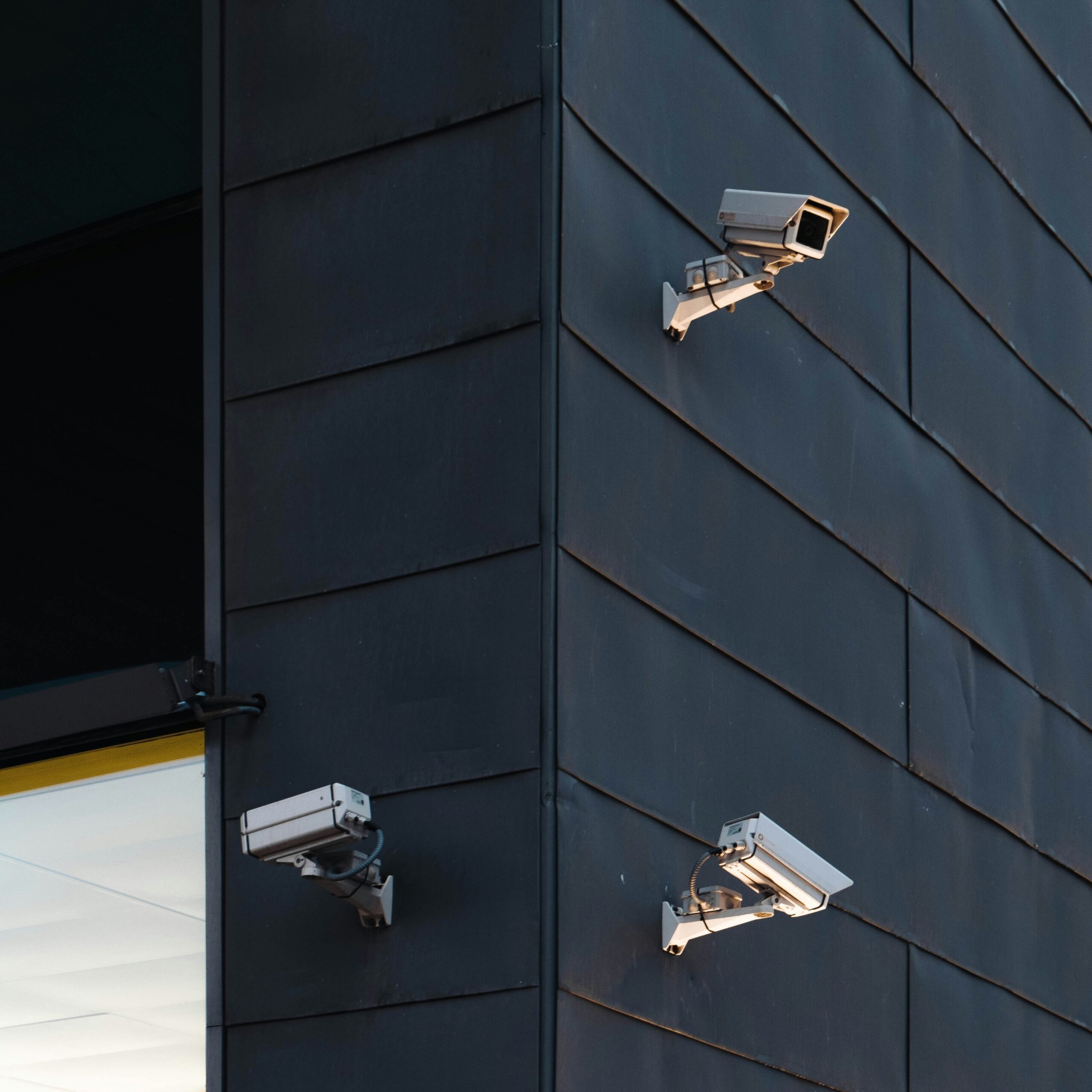
The Privacy Debate: Security vs. Freedom
Before discussing potential privacy infringements, let’s consider the effectiveness of AI in this domain. Proponents argue that AI enhances public safety. By detecting unusual activity or identifying wanted persons in a crowd, AI surveillance seems to be a useful security tool. On the other hand, critics highlight valid privacy concerns. The same data used for security purposes could also infringe on personal freedoms. Imagine walking in a neighbourhood where every action is tracked and analyzed. Moreover, concerns arise regarding how and where this data is stored and who has access to it. Data breaches and misuse of surveillance information further intensify the debate. According to Privacy International, AI surveillance can deepen state monitoring, leaving citizens under the perpetual gaze of a “digital Big Brother.” With surveillance systems becoming more pervasive, the lack of effective regulations is a significant concern. 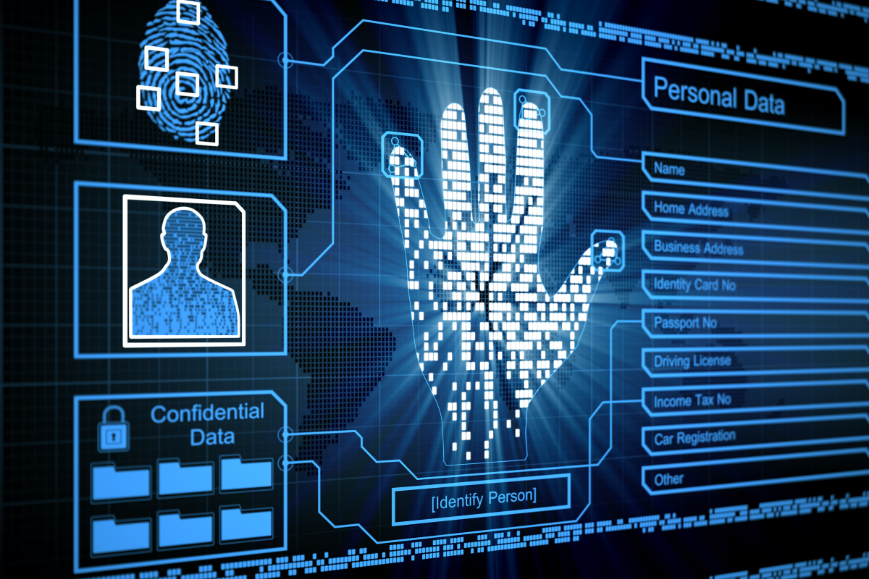
Navigating the Ethical Storm: AI Guidelines and Policies
Rolling back technology is not the answer, but establishing ethical frameworks is essential. Achieving a balance between innovation and human rights is a challenging yet necessary task. First and foremost, organisations must prioritise transparency. They should inform users about AI surveillance measures and their intended purposes. Clear communication fosters trust, a resource currently at risk. Additionally, accountability plays a crucial role. When AI systems malfunction or lead to errors, there must be clear lines of responsibility. Who is held accountable when breaches occur? What safeguards are in place to prevent future incidents? Bias in AI algorithms is another pressing issue. Despite technological advancements, these systems are not entirely impartial. Studies have shown that certain facial recognition algorithms misidentify individuals of specific ethnicities, leading to inaccurate and discriminatory outcomes.
How the World Handles AI Surveillance
Have we overestimated our ability to control AI surveillance, or are we handling it wisely? Around the world, countries take different approaches, shaping an intriguing international dialogue. For instance, in China, AI surveillance deeply shapes daily life. However, privacy advocates argue that such an approach is excessively intrusive. Meanwhile, democratic nations like the UK emphasise transparency to address privacy concerns. On a broader scale, the European Union has adopted rigorous data protection laws. The General Data Protection Regulation (GDPR) serves as a global benchmark for privacy protection. Policymakers must navigate the intersection of technological innovation and stringent privacy norms. 
The Future of AI Surveillance and Privacy
As AI continues to shape the future of surveillance, privacy policies must evolve accordingly. There is hope that ethical AI usage can strike a balance between safety and civil liberties. Public discourse and continuous research will play a pivotal role in shaping future regulations. Public awareness is essential. Scrutiny of AI projects should involve various stakeholders, and users must actively demand transparency and accountability. Building AI systems that inspire trust is key to their societal acceptance. By implementing clear guidelines on AI surveillance and fostering a culture of openness, we can create a harmonious coexistence between technology and privacy. So, is Big Brother watching us more than ever before? The answer is both reassuring and alarming. The key lies in collaborative efforts to safeguard privacy while harnessing the potential AI offers. Stay tuned, because AI surveillance is not just here to stay—it is evolving. Let’s work together to shape its role in society.