






Fancy a gadget that slips on your finger without screaming, “Hey! I’m tracking your every move”? Welcome to the world of smart rings, the quiet achievers of wearable tech.These clever little devices are gaining traction and understandably so. They’re sleek, discreet, and packed with features that can help you live a bit more mindfully. But let’s pause for a second. As smart rings become more common, the global market hit roughly £180 million in 2022 and is still climbing faster than your caffeine intake on a Monday, we need to ask a bigger question: what are we really doing with them?More importantly, what responsibility do tech companies have once the shiny product is out the door and on our fingers? It’s not just about making devices that function. It’s about making devices that fit into real lives, messy, lovely, unpredictable human lives and don’t quietly turn us into data-obsessed zombies in the process.
What Smart Rings Actually Do
Let’s cut through the marketing fluff. A good smart ring doesn’t need to do a hundred things. It needs to do the right things and do them well.
Most smart rings track heart rate, sleep, and daily movement. Some go the extra mile with gentle vibration alerts when your phone’s ringing or someone texts. That alone can stop the constant twitch to check your phone every few minutes. Yes, that twitch. We all have it.
Some models let you control music or take a call with a subtle hand gesture. Very handy if your hands are full of shopping bags or small children, or if you just fancy living out your James Bond moment in the supermarket queue.
You’ll also find rings that work as secure authentication tools or let you make contactless payments. Paying for a coffee with a flick of your finger? It’s slick. But more than that, it’s genuinely useful, especially for people with mobility challenges or those juggling life at high speed.
It’s not all bells and whistles, though. Some rings focus purely on sleep quality, while others try to be an all-rounder. Choosing the right one is less about reading specs and more about knowing yourself. Do you want something that helps you chill, or something that makes your stats sparkle?
Who’s Actually Using These and Loving Them?
Smart rings aren’t essential for everyone. Let’s not pretend otherwise. But for some people, they’re incredibly useful, even life-enhancing.
Fitness fans like that rings often provide more accurate vitals than wristbands. The finger gives better contact for sensors than the wrist, so you get more reliable data on heart rate and sleep patterns. Less guesswork, more actual insight.
Busy professionals find value in the way these rings let them stay connected discreetly. No need to whip out your phone mid-meeting, a small buzz on your finger is enough. You stay in the loop, but without looking like you’d rather be texting.
Parents, multitaskers, or anyone with their hands full (literally or metaphorically) can also benefit. Unlocking a door or making a payment without rummaging through a bag? It’s not just a convenience; it can be a sanity-saver.

And Yes, They’re Easy on the Eyes
Let’s not pretend looks don’t matter. If we’re wearing a gadget every day, we want it to match our vibe.
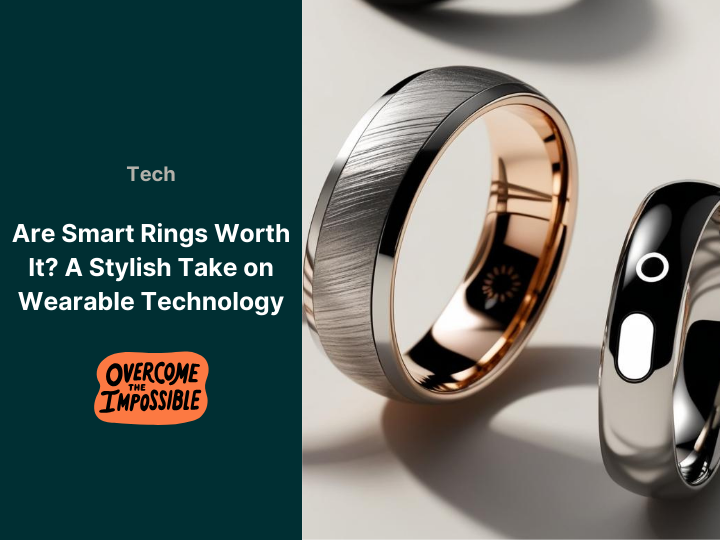
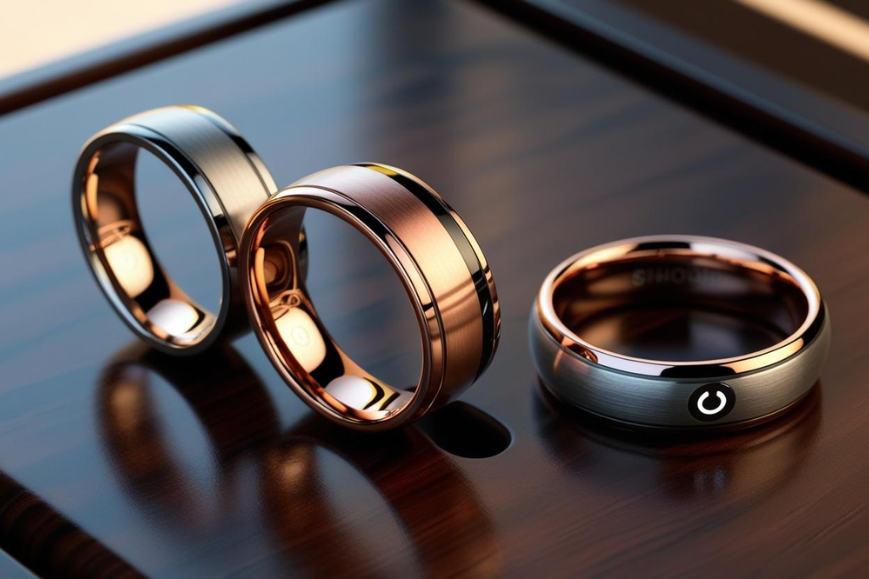
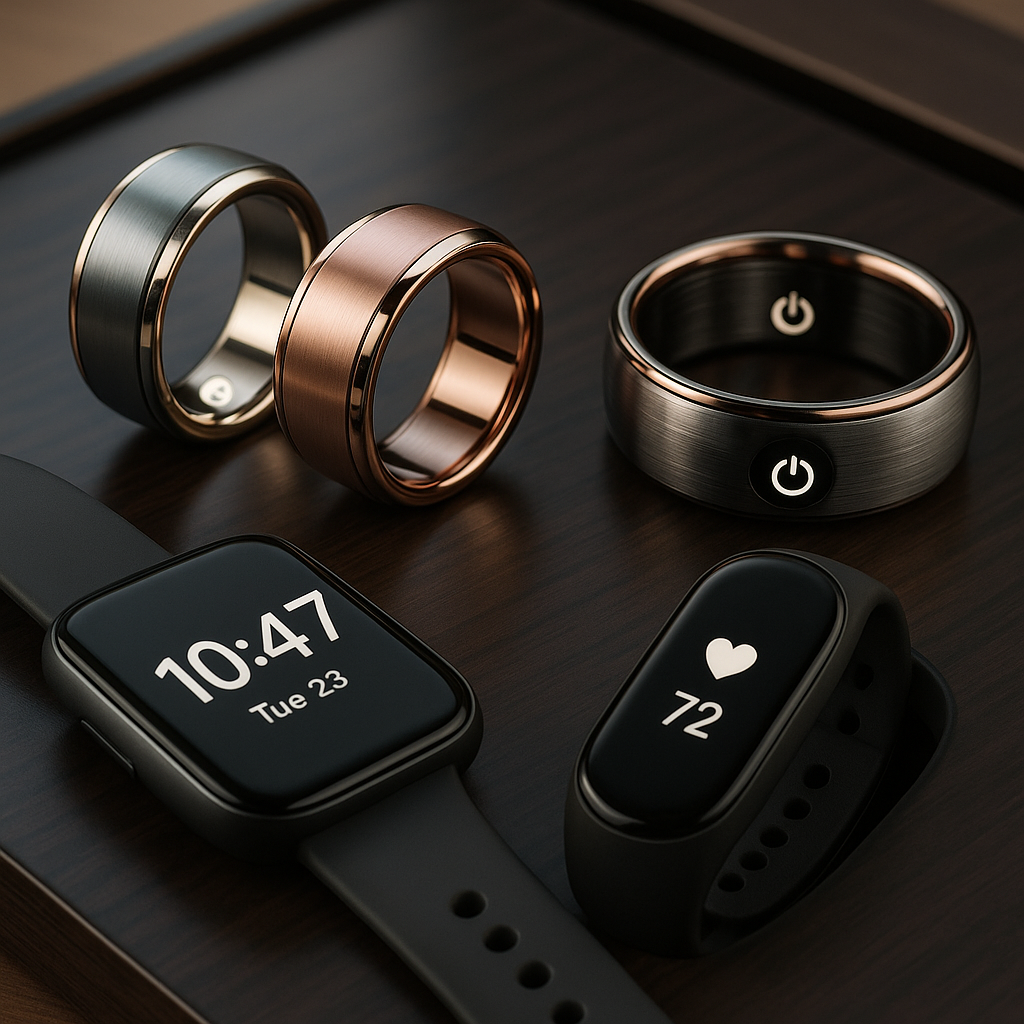
Smart rings have had a glow-up. You can find them in matte finishes, shiny metal, ceramic, black, gold, rose, whatever suits your mood or outfit. Some look so good, you’d wear them even if they didn’t do anything clever. That’s saying something.
This is where smart rings beat the smartwatch at its own game. They blend into your style. Whether you’re off to brunch or a boardroom, it doesn’t look like you’re test-driving a bit of lab equipment on your wrist.
Where Tech Companies Need to Get It Together
Here’s the big one. Tech companies are great at launching shiny new gadgets. But when it comes to guiding people on how to actually use those gadgets in a way that supports real-life wellbeing? There’s a lot of room for improvement.
It’s not about overwhelming people with graphs, charts, or 24/7 notifications. It’s about thoughtful design, tech that’s intuitive, helpful, and not quietly nudging us towards obsessive tracking.
People don’t need a daily guilt trip from their devices. They need kind technology. A smart ring that gently encourages rest when you’re run-down or celebrates consistency, not perfection. That kind of design thinking matters.
And let’s talk about reviews. It’s not enough to know whether the ring is waterproof or syncs fast. We need human-first reviews. Not just “does it work?” but “how does it feel to live with this thing on your finger all day? Is it genuinely making life easier, or quietly turning you into someone who spirals if your sleep score drops a few points?
Tech companies need to dig a bit deeper: is this device helping people stay focused, or just scattering their attention even more? Is it building a connection or encouraging isolation? Is it useful for everyone, or just those with perfect eyesight, steady hands, and a knack for setting menus?
Accessible design shouldn’t be an afterthought, it should be baked in from day one.
Spending the Money: Worth It?
Let’s talk brass tacks. Most smart rings start at about £100, and premium ones can go over £400. Not exactly pocket money unless your pockets are stuffed with spare change and good intentions.
So is it worth the spend? That depends on how you’ll use it.
If you’re just after a once-a-week step check, you might be better off sticking with your phone. But if you genuinely use the ring to manage sleep, stress, or fitness goals and you like the idea of fewer distractions, it can be a valuable part of daily life.
Think of it as an investment in peace of mind. And possibly fewer “Why are you always on your phone?” conversations.
What Smart Rings Tell Us About the Future of Tech
Smart rings offer a little sneak peek into where tech might be heading: smaller, more personal, less in-your-face. And if we do it right, maybe even more human.
But we’ll only get there if the companies behind this tech grow up a bit. Selling features isn’t enough anymore. They need to help us understand how to use tech wisely and when to step away.
The next phase of innovation isn’t just about better battery life or slicker syncing. It’s about responsibility. Helping people live better, not just track better. Encouraging habits that actually stick. Creating designs that respect attention, energy, and real life.
So when you’re thinking about whether a smart ring is for you, don’t just weigh the features. Ask how it fits into your life and whether it supports the kind of days you actually want to have.
Because when it comes down to it, the smartest tech is the kind that knows when to be quiet.