






We know that the chaos of a busy life making it hard to focus in your smart home office. Creaks, rattles, and background noise keep interrupting your virtual meetings! The challenge of balancing home life with a work environment is a common concern for homeowners with a smart home office. But don’t worry! We’re diving into ways to soundproof your smart home office so you can create a quieter, more productive workspace. Keep reading for practical tips and affordable solutions!
Understanding the Basics of Soundproofing
Before embarking on your budget-friendly soundproofing adventure, it’s great to grasp some basics. Soundproofing is all about stopping or reducing sound waves from travelling between spaces. It might sound daunting, but with the right knowledge, anyone can improve the noise insulation of their home office. It’s helpful to note that soundproofing works on two fronts: airborne noise (like conversations) and impact noise (such as footsteps or furniture moving). Additionally, it’s important to distinguish between sound absorption and soundproofing. While they are related, sound absorption refers to reducing echo within a room, whereas soundproofing aims at keeping external noise out. Confusing the two could lead one to purchase the wrong materials. 
Cost-Effective Methods to Soundproof Your Home Office
Soundproofing may conjure images of expensive renovations or a total overhaul, but don’t worry. There are several effective yet affordable methods to reduce noise levels without fancy gadgets.
Seal the Gaps (Not to block ventilation)
One of the simplest ways to enhance soundproofing is to seal off any gaps or cracks. Whether it’s under the door, around windows, or even air vents, sound can sneak through unnoticed. Consider using weather stripping or acoustic sealant, which are cheap and readily available materials. This small touch can significantly affect, plus it’s kind on your wallet. You might be surprised to hear how much noise enters through tiny gaps. As others have pointed out, make sure you are not sealing the room off from ventilation for long periods of time.
Rugs & Carpets
For those with wooden floors, adding a plush rug or carpet can dampen noise considerably. Thick rugs not only enhance the visual appeal but also reduce the reverberation of sound waves within your office space. If you’re looking to cover a large area, try carpet tiles, which are budget-friendly and versatile. 
Enhance Wall and Ceiling Soundproofing
Your walls and ceiling encompass a large portion of your home office’s surface area, making them prime candidates for better soundproofing techniques. Here’s where the real transformation happens.
Use Bookshelves & Padded Pictures
Here’s a neat trick: Bookcases or Wall hung pictures lined with books or a soundproofing backing absorbs sound quite well. By doubling up as a sound barrier and storage space, bookshelves serve a dual purpose. Place them against common walls to help block noise from either side. Padded pictures can be jazzed up with lights to cover thicker sides and blend into the room seemleessly! 
Acoustic Panels & Foam
Acoustic panels or foam tiles are often used in recording studios, but they can be just as useful in your smart home office. These are designed to reduce sound echo and noise transmission. The best part? You can find them in myriad styles and colours to match your decor while being pocket-friendly. 
Soundproofing Windows Without Spending a Fortune
Windows are notorious sound transmission points. But don’t fret—there are solutions. Awnings, thick curtains, or blackout blinds can provide additional soundproofing. Heavy curtains can act as barriers, absorbing sound waves before they bounce back into your room. 
Window Inserts
If you’re looking for something more sophisticated, consider acoustic window inserts. While they might sound costly, these inserts are still cheaper than installing new windows. They snugly fit inside your existing window frame, creating a buffer against noise.
Is the DIY Approach Right for You?
As we explore budget-friendly soundproofing, trying it yourself is key. There’s satisfaction in transforming your smart home office yourself, particularly with minimal expense. However, DIY won’t suit everyone. If you have the budget and prefer professional results, hiring experts could be beneficial. DIY projects also bring a learning curve. Mistakes may occur, but taking them as learning experiences is part of the journey. 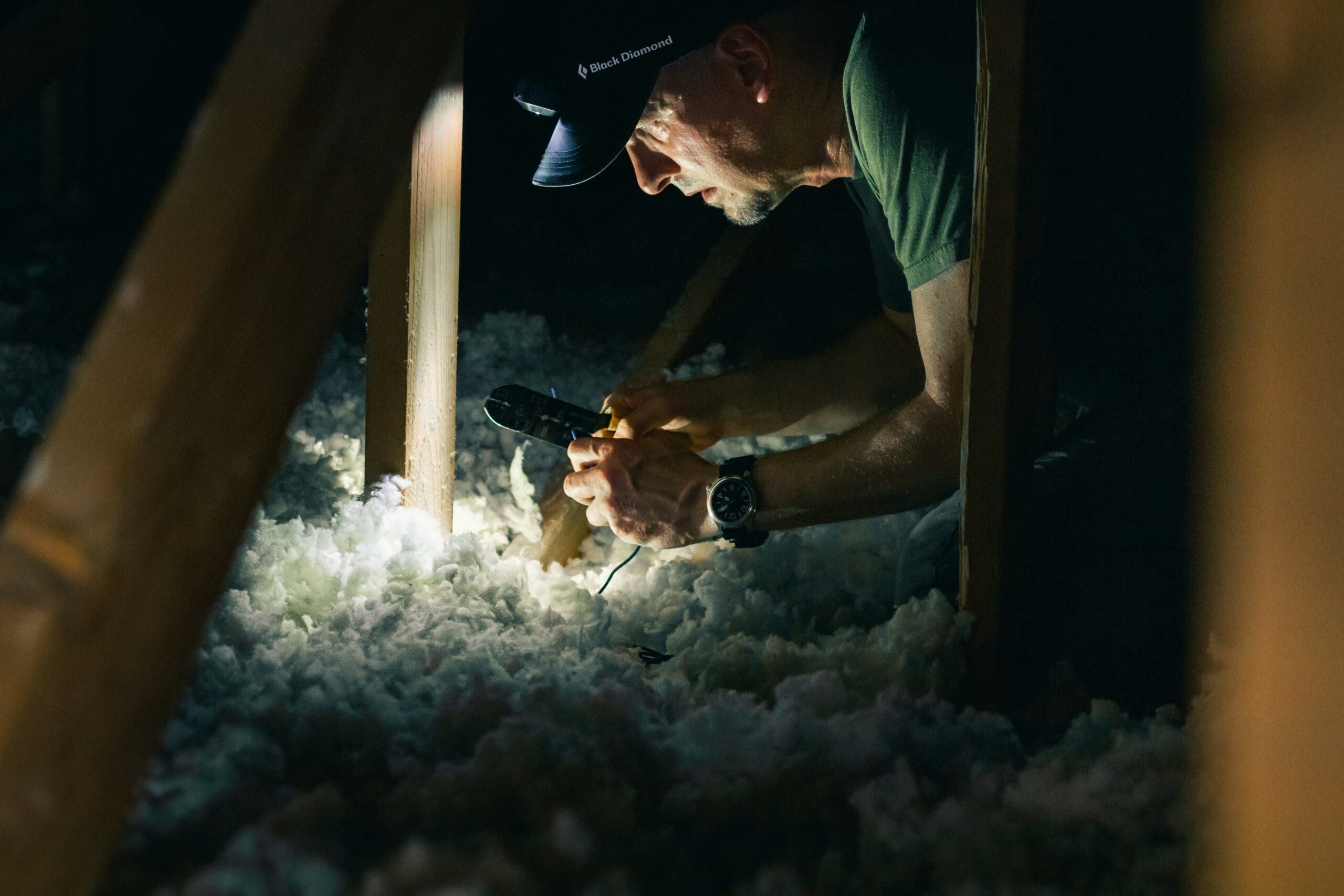
Implementing Thoughtful Soundproofing
Achieving a tranquil smart home office environment without a hefty price tag is quite feasible. By implementing thoughtful soundproofing strategies, you can significantly reduce unwanted noise and enhance your productivity. Now equipped with these handy tips, tackle your noise disturbances head-on and reclaim that peaceful workspace you deserve.