



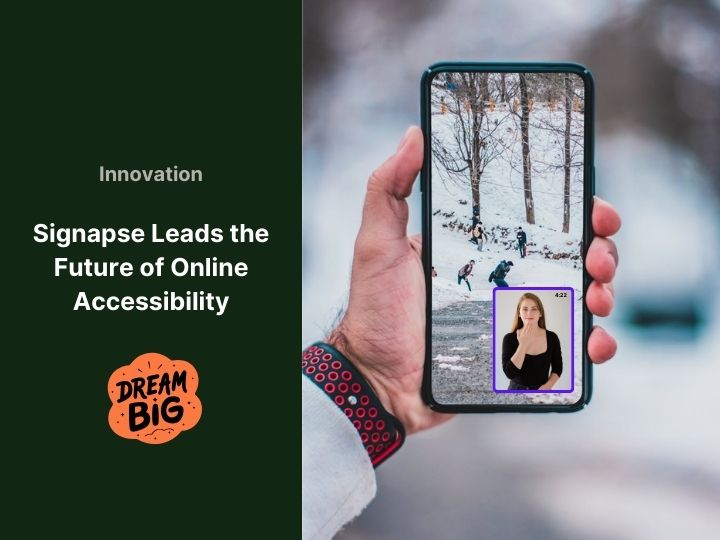
The digital world has transformed how we communicate, learn, and work, but for many people, especially those who are deaf or hard of hearing, significant barriers remain. Signapse, a UK innovative AI-driven technology, is on a mission to eliminate these barriers by offering real-time sign language translation for websites, making the internet more inclusive and accessible than ever before.
Sign Language Translation for Websites
 Signapse’s technology is a game-changer for online accessibility. By using advanced AI to translate text into sign language, it provides a solution that goes beyond subtitles and captions. Instead, it delivers a real-time translation through a sign language avatar that appears on websites, offering a seamless and engaging experience for users who rely on sign language. For many, sign language is the primary mode of communication, and traditional methods like subtitles don’t fully address their needs. Signapse’s approach ensures that deaf and hard-of-hearing individuals can navigate and understand online content just as effortlessly as hearing users.
How It Works
At the heart of Signapse’s innovation is its sophisticated AI, which has been trained on extensive datasets of sign language. This AI is capable of interpreting text and translating it into accurate, context-aware sign language, which is then displayed through an avatar on the screen. As users move through a website, the avatar signs the content in real-time, allowing for a more intuitive and natural interaction. This technology doesn’t just translate words—it captures the nuances and context that are critical in sign language communication.
Expanding Accessibility
The impact of Signapse’s technology is profound. It has the potential to redefine web accessibility, particularly in sectors like education, where access to information in a user’s preferred language is crucial. Businesses and organizations that integrate this technology can also broaden their reach, demonstrating a commitment to inclusivity and enhancing their engagement with a more diverse audience.
Looking Ahead
The potential applications of Signapse are vast, and as AI technology continues to advance, the possibilities for making the web more accessible will only grow. From social media platforms to e-commerce sites, the integration of sign language translation can ensure that everyone, regardless of their hearing ability, can fully participate in the digital world.
Other Accessibility Tools to Explore
While Signapse is paving the way for sign language accessibility online, there are several other tools that are making strides in digital accessibility:
- Screen Readers : Tools like JAWS (Job Access With Speech) and NVDA (NonVisual Desktop Access) are essential for users who are blind or have low vision, reading the content on the screen aloud and enabling navigation through audio feedback.
- Voice Recognition Software : Dragon NaturallySpeaking is a popular tool that helps individuals with mobility impairments or those who prefer voice input by converting spoken words into text and commands.
- Closed Captioning and Subtitling : Platforms like YouTube and Vimeo offer automatic captioning features, which can be essential for users who are deaf or hard of hearing.
- Color Contrast Checkers : Tools such as WCAG Contrast Checker ensure that web designs meet accessibility standards for users with color vision deficiencies.
- Keyboard Navigation Enhancements : Sticky Keys and other built-in accessibility features help users with mobility challenges navigate their devices more easily.
As technology evolves, these tools, along with innovations like Signapse, are making strides towards a more inclusive and accessible web for all. By embracing these advancements, we can create a digital landscape that truly caters to the diverse needs of its users. For more information on Signapse and their groundbreaking work, you can visit their website.