






Ever stare at your energy bill, then stare at your smart speaker like it owed you an explanation for your carbon footprint? You’re not alone. But what if, instead of adding to the problem, your smart tech could help you solve it, and do so responsibly? That’s the promise of AI in smart homes. But let’s not gloss over the real cost: energy savings and convenience are often traded for something much more personal, your data. And in most cases, consumers are left out of that conversation entirely.

Welcome to the age of intelligent living, where smart gadgets don’t just respond to us, they learn from us. And that learning comes with real environmental wins (reducing our carbon footprint)… but also deep privacy implications that most companies conveniently ignore.
Smart Homes: A Powerful Tool (When Used Thoughtfully)
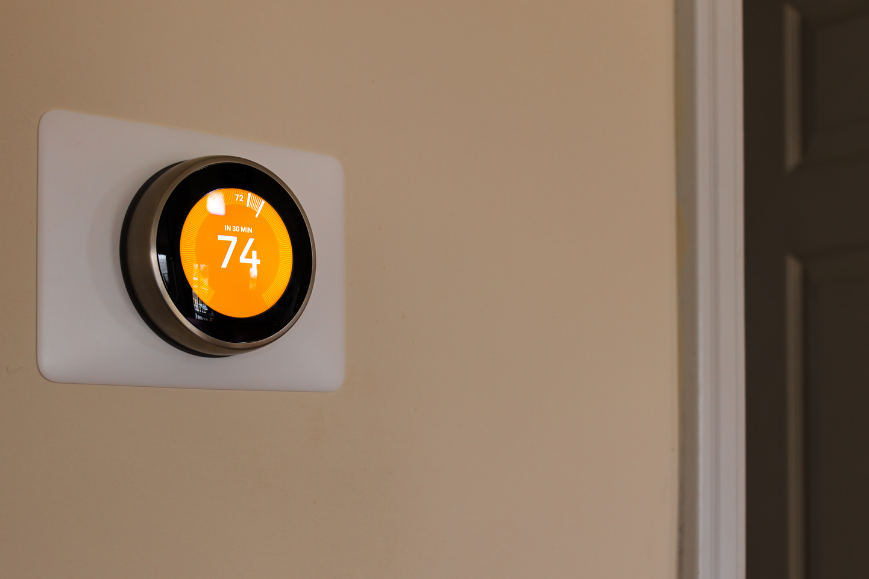
It’s true, AI-driven devices can lower your carbon footprint. Smart thermostats adjust automatically to your daily routine, cutting energy use during off-hours. Lighting systems detect motion and ambient daylight to reduce electricity use. Even washing machines and dishwashers now know when to run to take advantage of off-peak, greener energy.
The results are promising. Studies show 10 -12% savings on heating and cooling, and measurable reductions in household emissions. But there’s a catch, and it’s a big one.
These systems only work because they watch. Constantly.
They monitor when you’re home, how often you use hot water, and what time you cook dinner. And that data? It’s stored, analysed, and often shared. Sometimes with your consent. Sometimes buried behind ten layers of settings and “policy updates.”
Tech That Respects Your Privacy
If you’re ready to dip your toes into smart living thoughtfully, consider the Sense Energy Monitor. Unlike many “smart” gadgets that rely on cloud connectivity and voice assistants, Sense operates locally. It observes your home’s electrical signatures, helping you pinpoint energy-hungry appliances and understand your real-time consumption without invasive tracking. This approach offers valuable insights without the constant transmission of personal data to external servers.
The Data You Unknowingly Surrender
Here’s the uncomfortable truth. Every smart feature involves a trade-off. That energy-saving thermostat might learn your habits, but it also compiles a detailed log of your comings and goings, often down to the minute. This granular data, while intended to improve efficiency, paints an intimate picture of your life.
While some companies use collected data to enhance their services, others monetise or sell it to third parties. Furthermore, inadequate security measures can leave this data vulnerable. Despite growing public concern, many companies still treat privacy as an afterthought, not a fundamental right. This prioritisation often stems from their desire for rapid innovation and competitive advantage, leading them to prioritise features and connectivity over robust security and transparent data practices.
The Silent Vulnerability in Our Connected Homes
Let’s talk about risk. It starts small, a default password left unchanged, a cloud sync you didn’t even know was happening, or an always-on microphone quietly doubling as a voice assistant. Individually, these might seem minor. But together, they form the ingredients of serious digital exposure. Despite growing awareness, many companies still fall short. They continue to design systems that prioritise convenience over security. Opt-in tracking quietly becomes buried behind barely visible opt-out clauses. Crucial firmware updates go uninstalled, not because users don’t care, but because communication is often vague or non-existent. Meanwhile, user interfaces can be confusing, sometimes even deliberately manipulative, making it difficult to locate or adjust privacy settings. And here’s the line in the sand: Energy efficiency should never come at the expense of user safety. It’s not just about building smart homes, it’s about building safe, smart homes.
Designing for Humans, Not Just Algorithms
Setting up a secure smart home shouldn’t require an engineering degree. Interfaces need to be intuitive. Privacy settings should be prominent and easy to understand. Energy-saving features should be transparent and accessible, especially for those less familiar with technology.
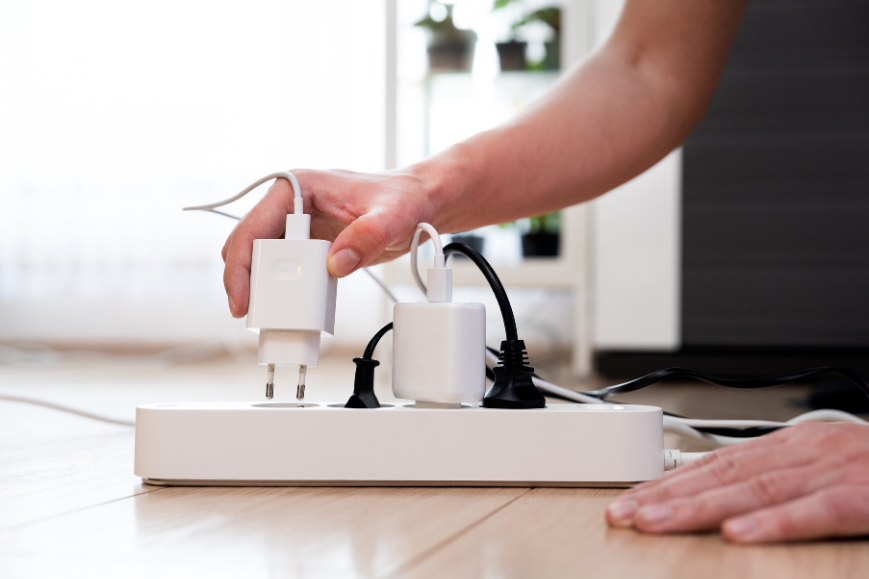
This is where many companies stumble. In their rush to innovate, they overlook the human element. When users can’t understand or control their devices, they might disable features entirely (losing energy savings) or live with a constant sense of unease. Human-first design isn’t just a “nice to have”; it’s the foundation of truly empowering and ethical technology. Concrete examples include giving users granular control over data sharing (allowing them to choose what data is collected and for what purpose), providing clear visual indicators when data is being collected or transmitted, and simplifying security settings with easy-to-understand options and proactive guidance.
What Responsibility Really Looks Like
We’re not just talking about better tech. We’re talking about better priorities.
It’s not enough to slap “smart” on a box and call it sustainable. Real innovation means guiding users, not just selling to them. It means building systems that save energy and build trust, systems where privacy, transparency, and user control are integral to the design, not afterthoughts buried in the fine print.
The Power of How We Talk About Tech
When consumers research smart lights or thermostats, reviews often focus on technical specifications. But what if, instead, reviews also prioritised user experience, privacy practices, and ease of use? Was it easy to set up securely? Did it respect their privacy? Did it genuinely improve their life? When those questions start becoming part of the conversation, everything changes. These are the kinds of insights that can shift consumer behaviour and, in turn, push companies toward more responsible design. Ultimately, this kind of feedback is what should truly matter.
Smarter Homes, Not Just Smarter Gadgets
At the end of the day, the future of smart homes isn’t just about efficiency. It’s about intention.
Yes, your AI thermostat might help you save energy. But did it ask for permission before tracking your every move? Did the company educate you on how to protect your data? Did the product enhance your life, not just connect it?

This is the crucial lens through which every tech company should operate. Not “How do we get into more homes?” but “How do we earn the right to be there?”
Building a better future starts not with more devices, but with better decisions, by companies, by consumers, and by our communities. What are your current smart home devices collecting, and are you comfortable with that trade-off? Exploring privacy-focused alternatives could be a valuable next step.