






You walk into your living room after a long, exhausting day. With a tired sigh, you sink into the couch, and like magic, your lights dim, your favourite playlist kicks in, and the thermostat sets itself to that just right temperature. Feels like something out of a sci-fi movie, right? Well, thanks to smart home tech, it’s not just possible….it’s effortless. But when it comes to controlling your home, what’s the real power move? The smooth, hands-free convenience of voice commands or the precision of an app at your fingertips? Let’s dive into the battle of smart home control and see which one truly feels like the future.
Discover the Magic of Voice Control
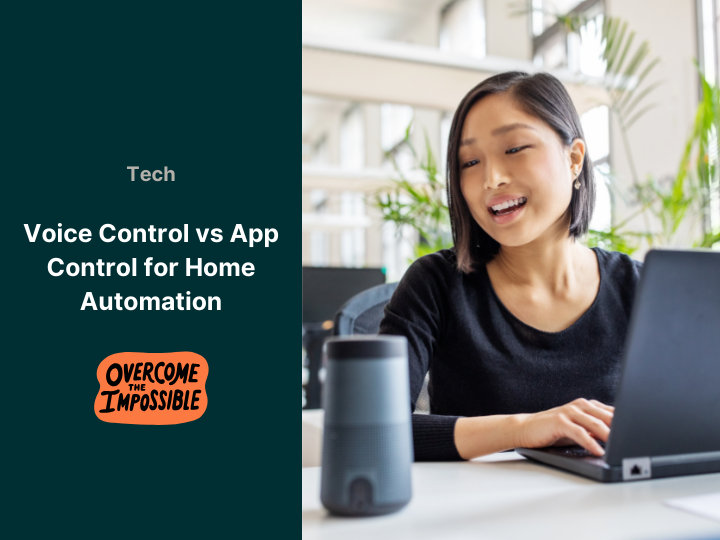
There’s a certain magic to operating your home with nothing more than your voice. Systems like Amazon Alexa, Google Home, and Apple’s Siri make it effortless to command your space hands-free. Voice control provides convenience that app controls often cannot match, making it ideal for multitaskers. Suppose your hands are full while cooking, and you need to adjust the lighting. Simply saying, “Hey, Siri, brighten the kitchen lights” solves the problem instantly. No wonder a study found that 58% of smart speaker owners use voice commands to control their smart home devices. 
The App Control Experience
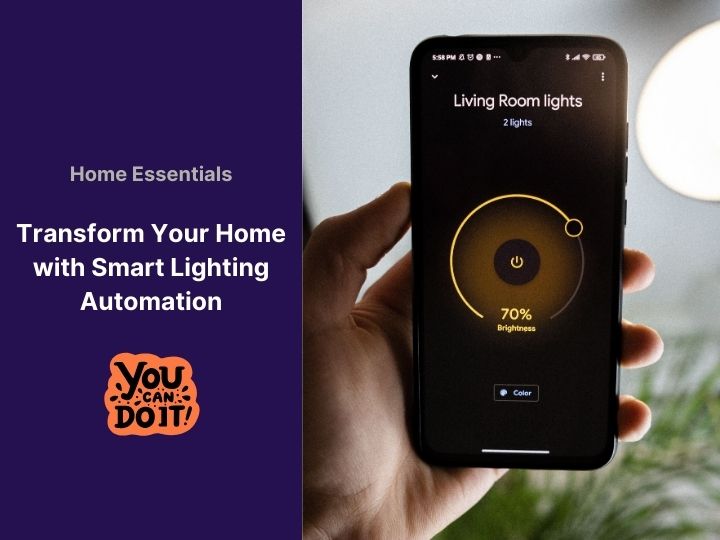
Smartphones, tablets, and even smartwatches act as our personal assistants, offering detailed control at our fingertips. With a few taps, you can fine-tune your home settings for a customized experience. App control is especially useful when precision matters. Imagine setting up mood lighting for a cosy night in—apps let you fine-tune brightness, colour, and schedules. Advanced customization makes app control a powerful tool for smart homeowners. 
Security and Privacy
With great convenience comes great responsibility. Privacy concerns surround smart home technologies, and both control methods have their risks. Voice assistants require continuous listening , sparking concerns over data privacy. However, leading brands implement encryption and regular updates to protect users. On the other hand, apps may have stronger security controls via encrypted logins and multi-factor authentication, though they are still susceptible to cyber-attacks.
Integration and Compatibility
Smart home integration can be tricky. Voice control excels in orchestrating multiple devices with a single command. For instance, Amazon Alexa supports over 100,000 skills and thousands of compatible devices. Meanwhile, apps offer direct connectivity, better troubleshooting, and typically more stable performance. Some brands may limit app functionality to their own devices, making compatibility a key factor when choosing a smart home system.
The Cost Factor
Smart home technology no longer requires a hefty budget. Smart speakers offer a lower upfront cost , allowing control over multiple devices from one hub. App control, on the other hand, often leverages your existing smartphone , meaning you won’t need additional hardware. While voice control is more futuristic and interactive, app control offers a practical, everyday advantage. 
Which Team Are You On?
The battle between smart home voice control and app control depends on lifestyle and preference. Do you love the hands-free interaction of voice control, or do you prefer the detailed customization of apps? Many modern smart homes blend both methods, using voice commands for quick tasks and apps for detailed adjustments. The key is to find the balance that best suits your needs.
Stats and Facts to Know
- 35% of households in Western economies use some form of smart home technology.
- The UK smart home market is projected to reach £11.2 billion by 2027.
- 50%+ of smart home interactions happen via voice commands.
- App-based control remains crucial for custom settings and offline reliability.
As smart home technology advances, voice and app controls will continue to evolve. The real question isn’t which one is better—it’s how you can use both to create the most efficient and enjoyable smart home experience.