






Ever sat on your sofa sipping your morning coffee pondering whether to transform your home into a state-of-the-art smart sanctuary? Yikes, we do it all the time! The prospect of living in a home where voice commands and smartphone apps control your lighting, heating, and even your kitchen gadgets can be both exciting and a bit of pipe dream. You might find yourself at a crossroads, asking: should I embark on a DIY journey or call in the professionals for my smart home installation? We will be exploring the benefits and pitfalls of both DIY and professional smart home installations. Discover some surprising statistics and gain insights to help you make a well-informed decision that suits your lifestyle and budget.
Understanding the Basics of Smart Home Technology
Before diving into the DIY vs professional debate, it’s crucial to understand what smart home technology encompasses. Smart homes utilise a network of connected devices that interact via the Internet, enhancing the way we live by automating household tasks. According to Statista , the smart home market is expected to reach $53 billion globally. Devices range from smart thermostats and lighting to security systems and voice-activated assistants. Ever wonder why ChatGPT integrations and voice commands are on the rise? Nearly 70% of Western households already incorporate some form of smart technology, highlighting its growing appeal. 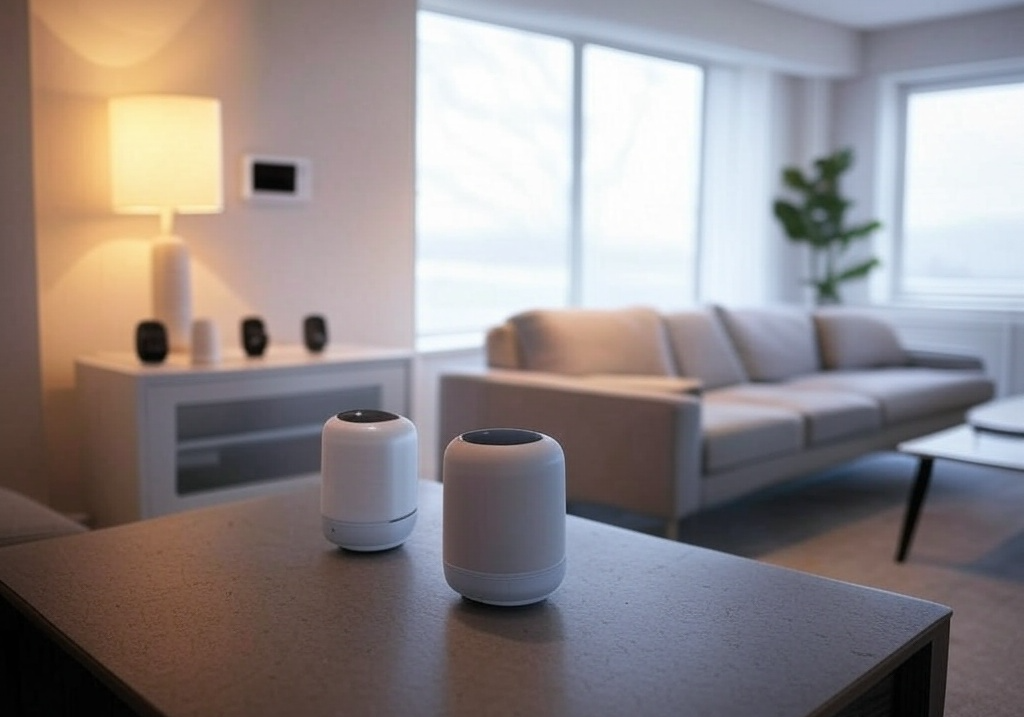 Modern Living Modern Living |
Image source: GrokAI v3 |
Benefits of DIY Smart Home Installation
Opting for a DIY installation can be a great way to tailor your smart home to your specific needs. It offers flexibility, control, and potentially significant cost savings. Notably, the costs of hiring professionals can be daunting, potentially ranging into the thousands depending on the complexity and extent of your setup. DIY projects generally cost much less. One notable advantage is the ability to pace yourself. You can test individual smart devices and assess their mesh with your existing technologies—no big bang approach needed. If you’re a hands-on tech-lover, the process can be a rewarding educational journey. Moreover, DIY smart home kits have become more user-friendly. Many come with detailed instructions and guides, allowing even novices to get started without much hassle. For instance, installing a smart thermostat or lighting system could take just a few hours. Of course, the plethora of online tutorials and forums makes troubleshooting a breeze. 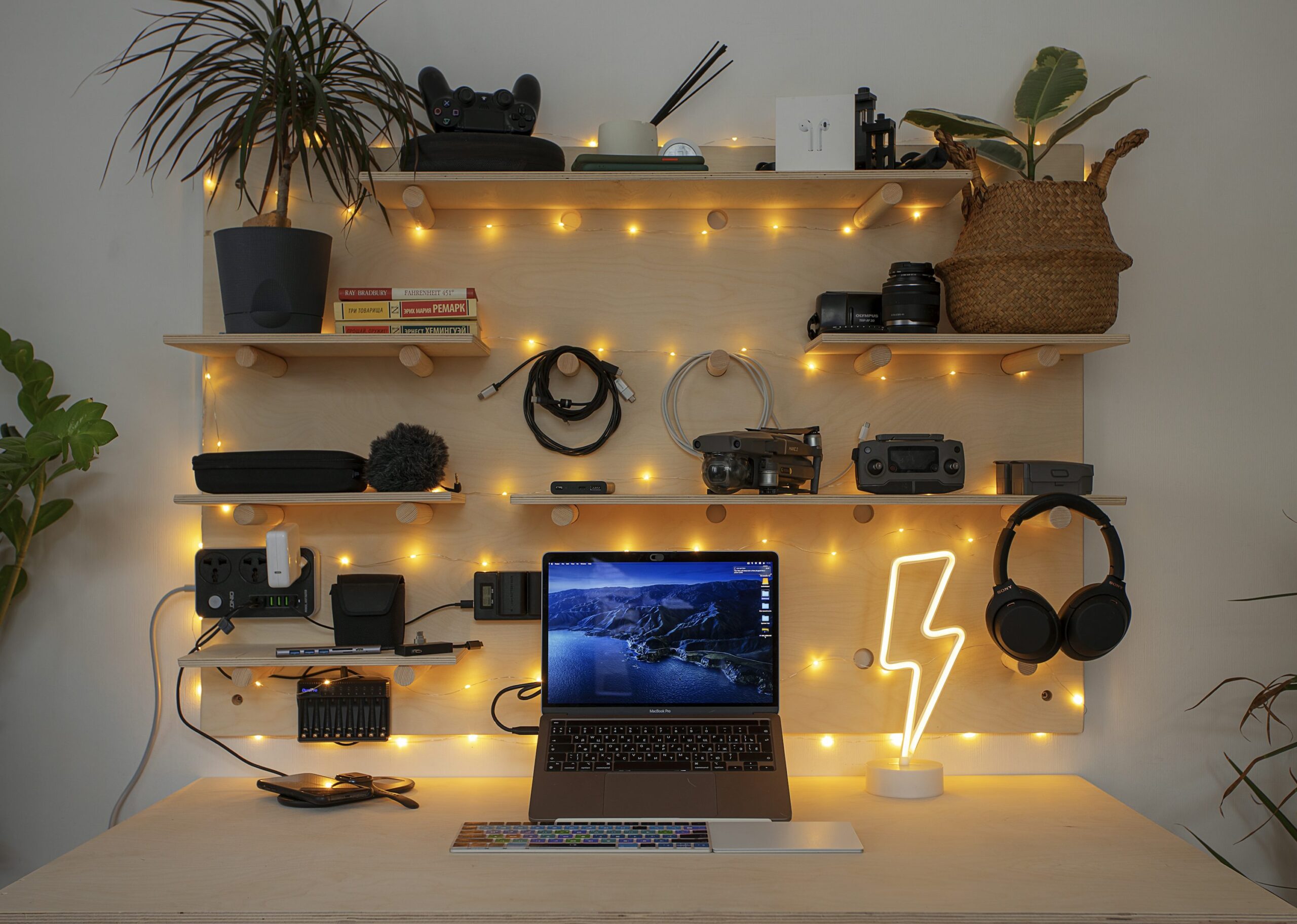
Downsides of DIY Smart Home Installation
While DIY offers many advantages, it does have its limitations. The primary downside is the learning curve involved. If you’re not especially tech-savvy, setting up devices, integrating them into a cohesive network, and ensuring compatibility might become overwhelming. DIY also might involve starting from a clean base and taking out the old outdated hardware like lights and floors. This can be a big worry for those who don’t like dust, problem-solving solving or the hassle. Moreover, without thorough planning, you may experience connectivity issues or system failures. These might require additional resources or professional help, negating some of the initial savings. A 2019 survey revealed that 30% of homeowners encountered significant issues during or post DIY installations. Gulp! 
Why Consider Professional Smart Home Installation
Professional installations come with their own set of compelling advantages. The most obvious benefit is the lack of headaches. Specialists design and execute plans tailored to your unique requirements, ensuring system reliability right from the outset. Additionally, professionals have access to specialised tools and software, facilitating complex installations that might be beyond an average homeowner’s expertise. They can even offer insights into new, breaking technologies before they become mainstream, keeping your home perpetually cutting edge. Professional installations often come with support and maintenance packages that guarantee assistance in case issues arise. This can save time and avoid disruption to your everyday routine. In fact, 75% of homeowners said professional installations left them satisfied and free from technical troubles. 
Drawbacks of Professional Installation
The learning curve might not be an issue here, but your wallet could feel noticeably lighter. The plain truth is that professional service costs are considerably higher, especially for comprehensive smart home setups. Besides cost, the lack of personal involvement is something some tech enthusiasts might find disappointing. The joy of learning and the satisfaction of completing a project yourself are lost when outsourcing. Lastly, professional installers might lack the flexibility to accommodate your evolving needs or inspire customised solutions. What works today might need an overhaul tomorrow!
Factors to Consider Before Making a Decision
Deciding between DIY and professional installation isn’t a straightforward choice. One primary factor to consider is your budget. If funds are limited, DIY might be the pragmatic route. Yet, if you seek a high-tech integration and budget isn’t your main concern, professional services could provide peace of mind that’s worth the expense. Consider the complexity of your desired setup. If you intend to integrate multiple systems, professional expertise can ensure seamless operation. On the other hand, if you plan to start with a few devices, gradually adding more, DIY could be both economical and educational. Also, assess your technical ability and interest. If you love technology and enjoy experimenting, DIY might be more gratifying. However, if tech intricacies bog you down, professional support will be your ally. 
We side with professional installation for lasting impact, and DIY your expansion.
Choosing between DIY and professional installation involves a balance between cost, time, complexity, and personal preference. Whichever path you choose, ensuring your smart home works harmoniously should be your primary goal. With the above insights and considerations, you’re better poised to create a smart home that fits your lifestyle seamlessly. So, what will it be? A self-taught guru might emerge, or a professional touch might be exactly what your home needs.