






Whether you’re a tech enthusiast or a homeowner curious about adding a hint of automation to daily chores, smart assistants like Apple HomeKit, Alexa, and Google Assistant are transforming house living. In this article, we promise to decipher the differences between these three titans of smart technology. You’ll walk away knowing which one is right for your home.
Smart Home Integration: The Basics
Before diving into the smart home battle royale of Apple HomeKit vs Alexa vs Google Assistant, it’s important to understand what these systems are. Essentially, they are platforms that enable you to control your smart devices such as lights, thermostats, and locks. But how are they different? While there are obviously others on market (eg. Samsungs SmartThings or Zigbee) These three are currently the biggest house-hold names. Apple HomeKit caters to Apple enthusiasts, offering seamless integration with iOS devices. Alexa, by Amazon, supports an enormous range of compatible devices and excels in vocal capabilities. Google Assistant stands out for its powerful AI, delivering intuitive responses and top-notch voice recognition. Each of these platforms offers a unique flavour of smart home bliss, yet choosing the right one can feel overwhelming.
Apple HomeKit: The Charm for Apple Lovers
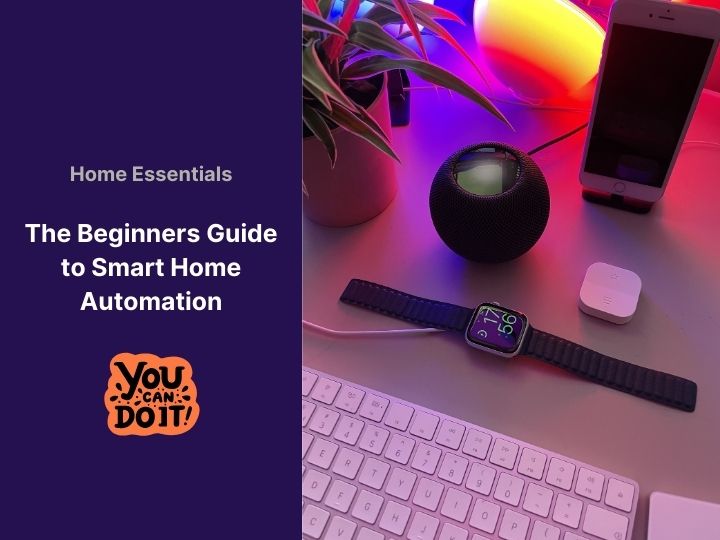
Apple HomeKit is often considered the go-to for individuals invested in the Apple ecosystem. It allows you to use Siri to control most of your smart home devices through voice commands. What sets HomeKit apart is its emphasis on privacy and easy integration with iOS devices. For instance, if you’re already navigating daily tasks with your iPhone or iPad, HomeKit offers a seamless extension, as all commands and controls can be managed from Apple Home. However, the downside lies in its compatibility. Being a more exclusive club, it only supports products that meet rigorous Apple standards. This might occasionally limit your options, but it ensures a reliable and secure smart home experience. While it’s missing out on the broad device support seen in Alexa or Google Assistant, HomeKit tries to make up through its robust software framework. Reports indicate that over 250 devices are HomeKit-compatible, showcasing decent growth. 
Amazon Alexa: Voice-Activated Powerhouse
Next on the list is Amazon Alexa, a true powerhouse when it comes to smart home voice assistants. Its vast range of compatible devices gives you nearly limitless possibilities. From speakers to smart locks, thermostats to lights, Alexa connects with thousands upon thousands of devices. The charm of Alexa lies in her vibrant ecosystem and fluency with voice commands. According to a 2023 report, Alexa supports over 100,000 smart home devices, surpassing both Google Assistant and HomeKit. This might sound like an invitation to fill your home with gadgets, right? Still, Alex’s charm isn’t without its shortcomings. The main concern relates to privacy issues. As the most widely adopted smart assistant, it has also faced scrutiny for data handling. Therefore, it’s crucial to examine Amazon’s privacy policy if data security is your priority. 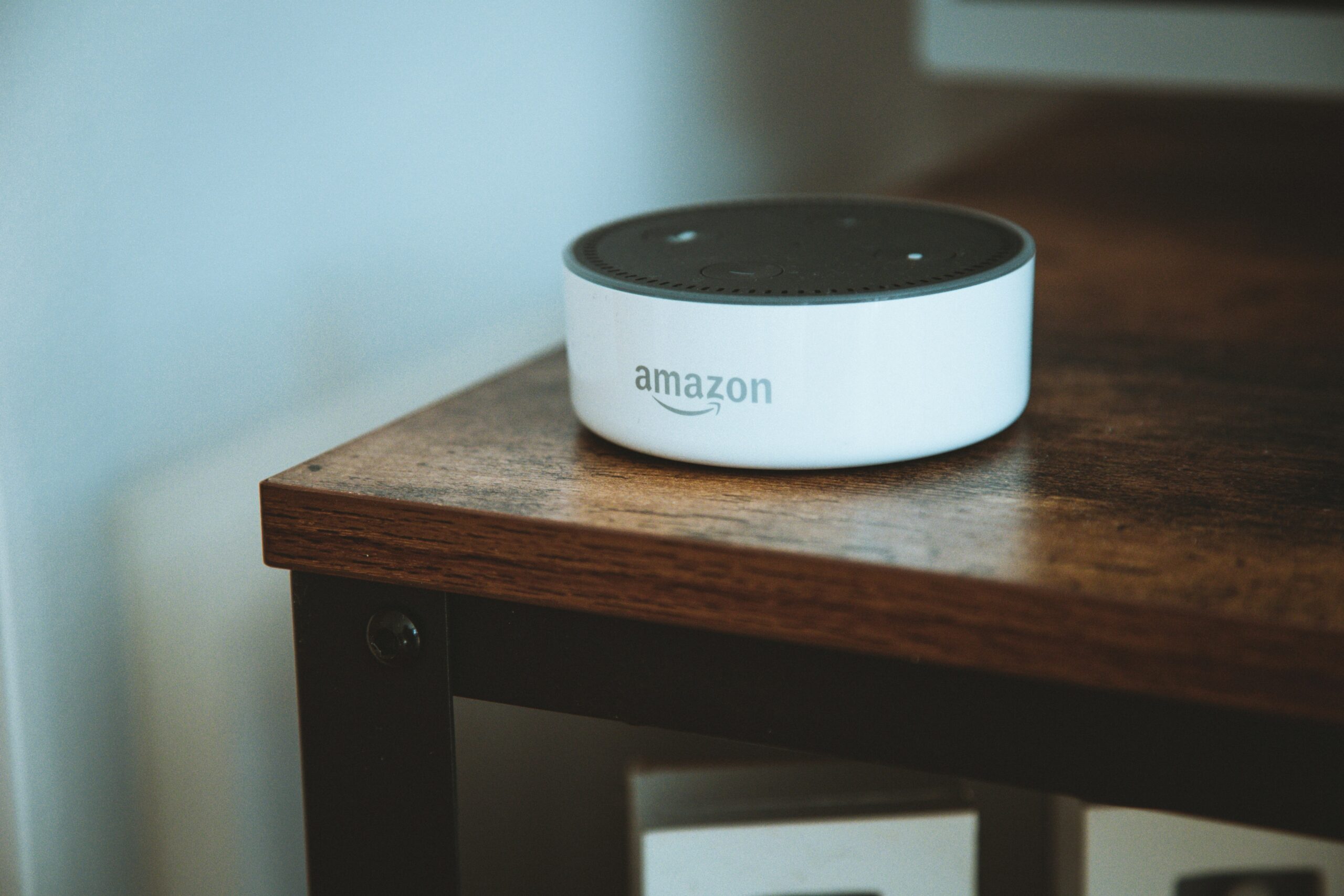
Google Assistant: The Brainy One
When dealing with Google Assistant, you’re dealing with another genius from the block. Known for seamless integration with Google services and powerful AI, it is the pick for those who enjoy interacting through natural language. Google Assistant runs on Google Nest devices, smartphones, and even cars. It’s like a personal assistant that learns your habits, making your life easier. Google Assistant supports an impressive array of smart home products, although not quite as extensive as Alexa. As of 2023, it worked with roughly 50,000 devices, still a substantial figure compared to other competitors. However, the Achilles’ heel of Google is more on the hardware limitation side. While many praise the tech that powers Assistant, Google still lags behind Amazon in hardware variety. Yet, Google’s AI capability covers the gap, providing efficient and intuitive feedback based on repeated interactions. 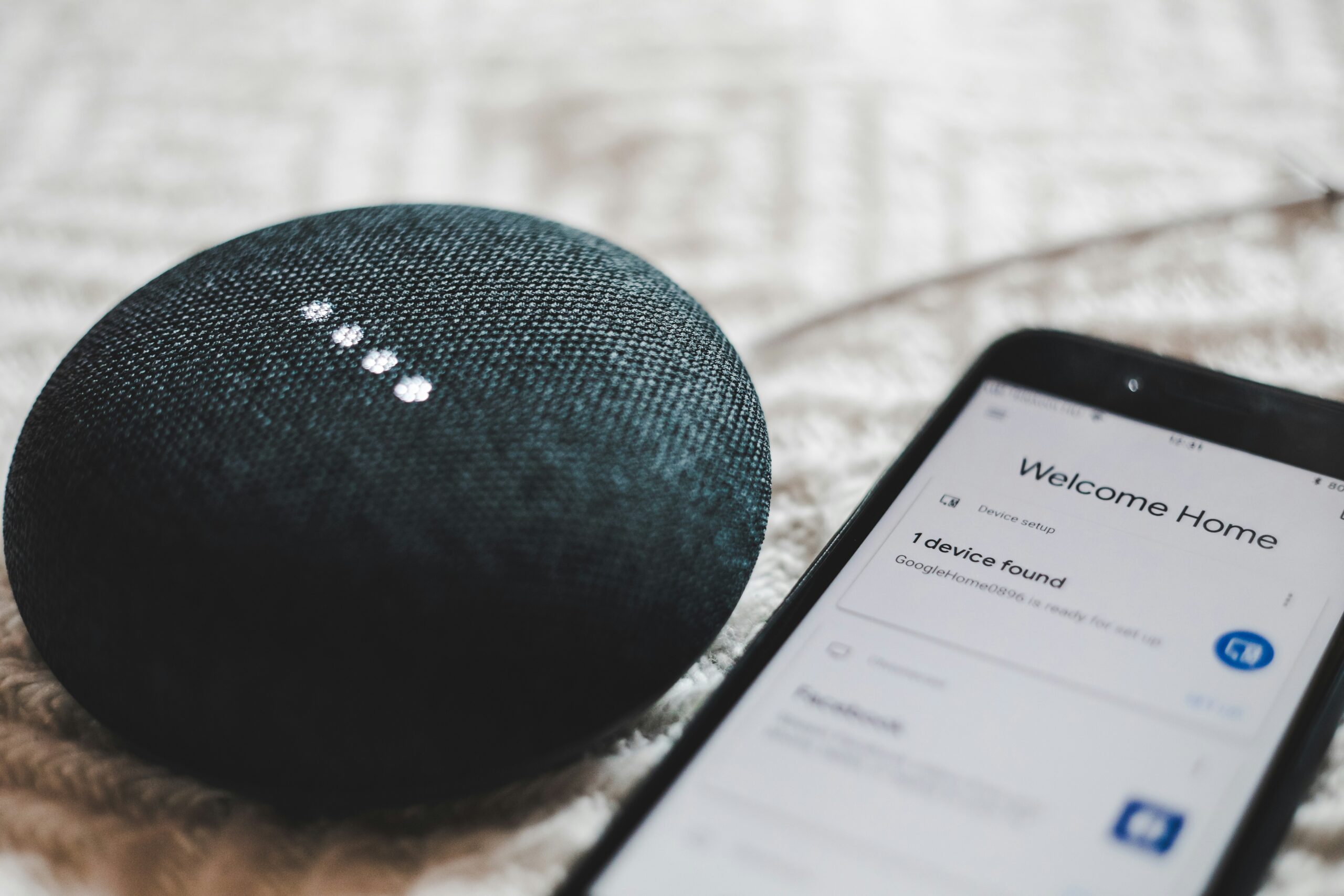
“Apple HomeKit might be a charm for Apple lovers, but it is more restrictive considering its compatibility.”
Remember, the best part of integrating smart technology is the customisation it allows. Now that we’ve broken down the unique qualities of each smart assistant, it’s key to tie it back to your needs and lifestyle. Are you an Apple devotee, a fan of Google’s smarts, or an Alexa advocate for its broad compatibility? If you prioritize gadget density and want extensive options, Alexa is the obvious choice. But if you value privacy and design aesthetics, HomeKit might be the ideal fit. Finally, if you depend on Google services and appreciate AI efficiency, Google Assistant is the way to go. Ultimately, the decision should consider how these devices fit into your daily routine, budget, and personal data security preferences. A little humour, testing, and trial can go a long way in achieving the ultimate smart home setup! Happy home mixing!