






Do you ever wonder how much more convenient life could be with a little extra light and a whole lot of smart technology? It’s a question many tech lovers, especially homeowners, ponder as they search for ways to enhance their daily lives. The solution often lies in smart lighting automation—a bright idea that not only achieves convenience but also enhances security and saves energy. Dive into this illuminating journey as we explore how automating your lights with smart bulbs and sensors can transform your home.
Getting to Know Smart Lighting
Before we delve into the specifics, let’s first understand what smart lighting is. Essentially, smart lighting refers to advanced lighting systems that can be controlled through smartphones, tablets, or even voice commands. These systems often use LED technology and can be integrated with other smart devices for a seamless experience. According to Statista , the global smart lighting market is projected to reach over £20 billion by 2027 , highlighting its growing popularity. 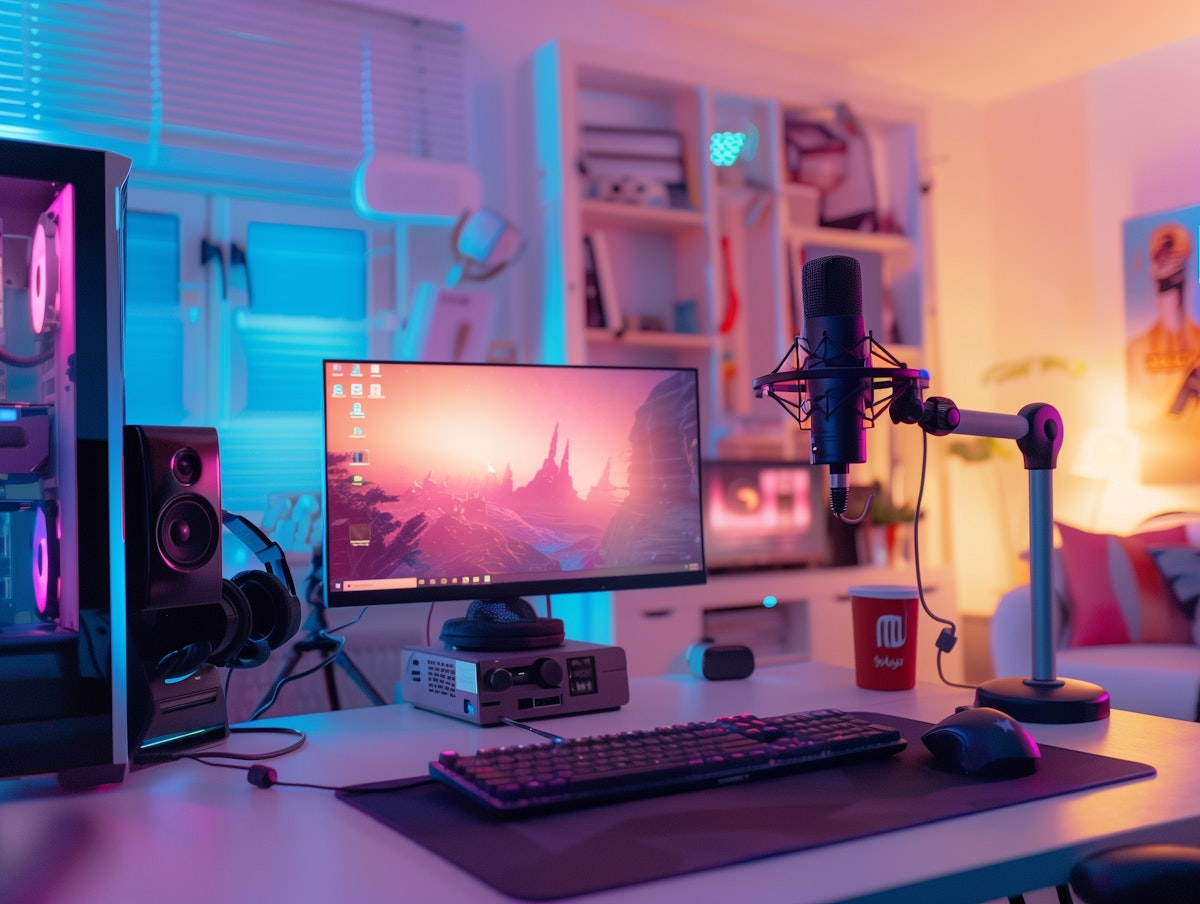
Benefits of Smart Lighting Automation
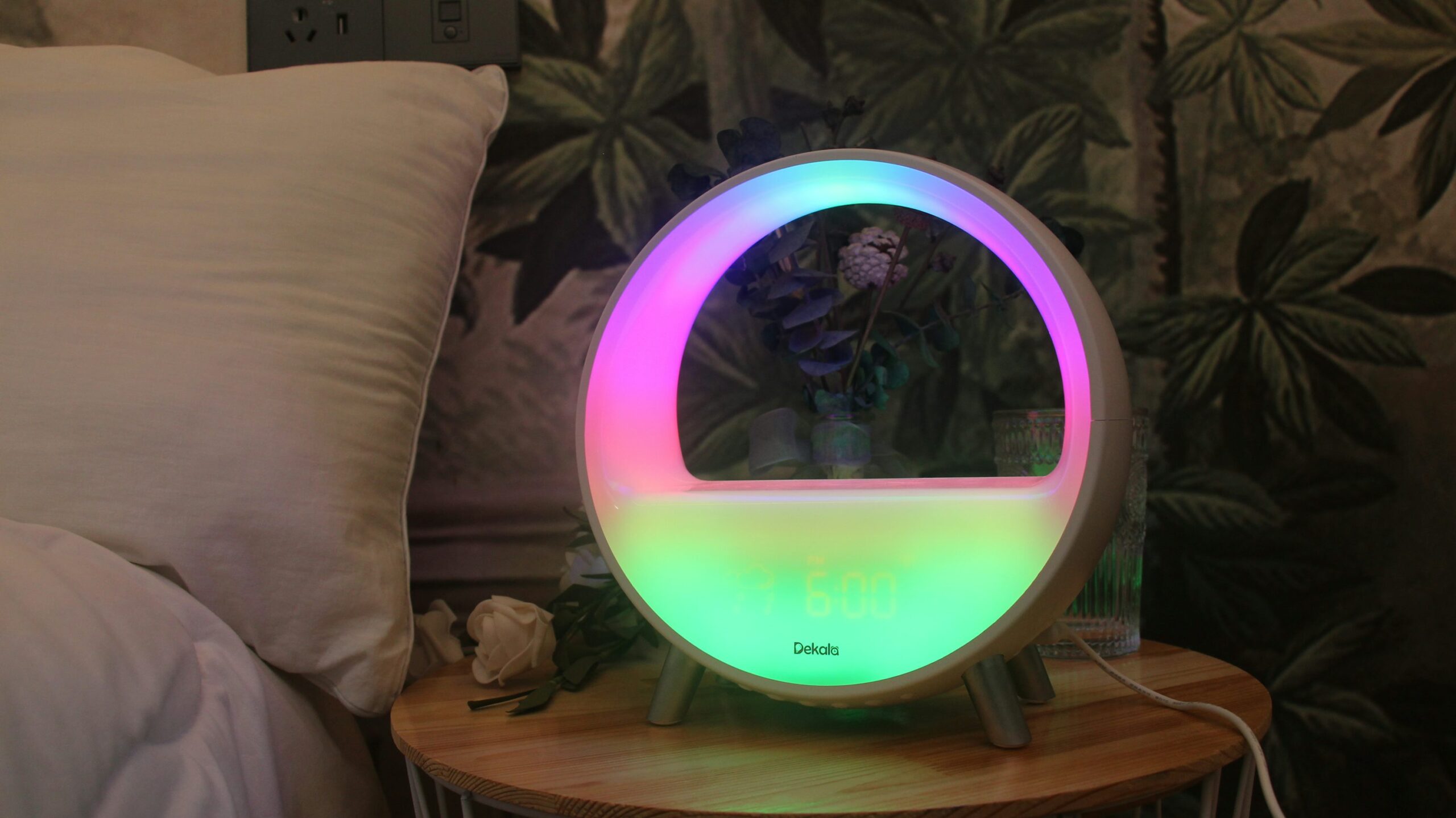
Smart lighting automation brings a plethora of benefits that are hard to ignore. Not just limited to individual preferences, these systems improve daily life in substantial ways. Firstly, the most enticing feature is the convenience. Imagine waking up in the morning, and the lights gradually brightening, mimicking the sunrise. Transitioning from a relaxing evening to bedtime? Your lights can dim gently. Adjustments like these are easily achievable with a smart lighting setup. Secondly, there’s an energy-saving aspect. LED smart bulbs consume far less energy compared to traditional incandescent bulbs. In fact, they use approximately 75% less energy and last 25 times longer, according to Energy.gov. That’s significant savings on your energy bill! Furthermore, smart lighting provides a security edge. With automation, you can schedule lights to turn on at specific times, making it look like someone is home even when you are away. This added layer of security is why many opt for smart lighting systems.
Key Components: Bulbs and Sensors
Smart bulbs and sensors are essential components for lighting automation. Let’s start with smart bulbs. Brands like Philips Hue and LIFX offer a range of options with varying colours and brightness levels. These bulbs can be paired with respective apps or hub devices to control remotely or via voice assistants like Alexa or Google Assistant. Sensors, typically motion or light-based, work in tandem with smart bulbs. Motion sensors can turn lights on when entering a room and off when no movement is detected. This can be particularly useful in areas like hallways or bathrooms. Meanwhile, light sensors adjust the lighting based on the amount of natural light entering the room, ensuring minimal wastage. 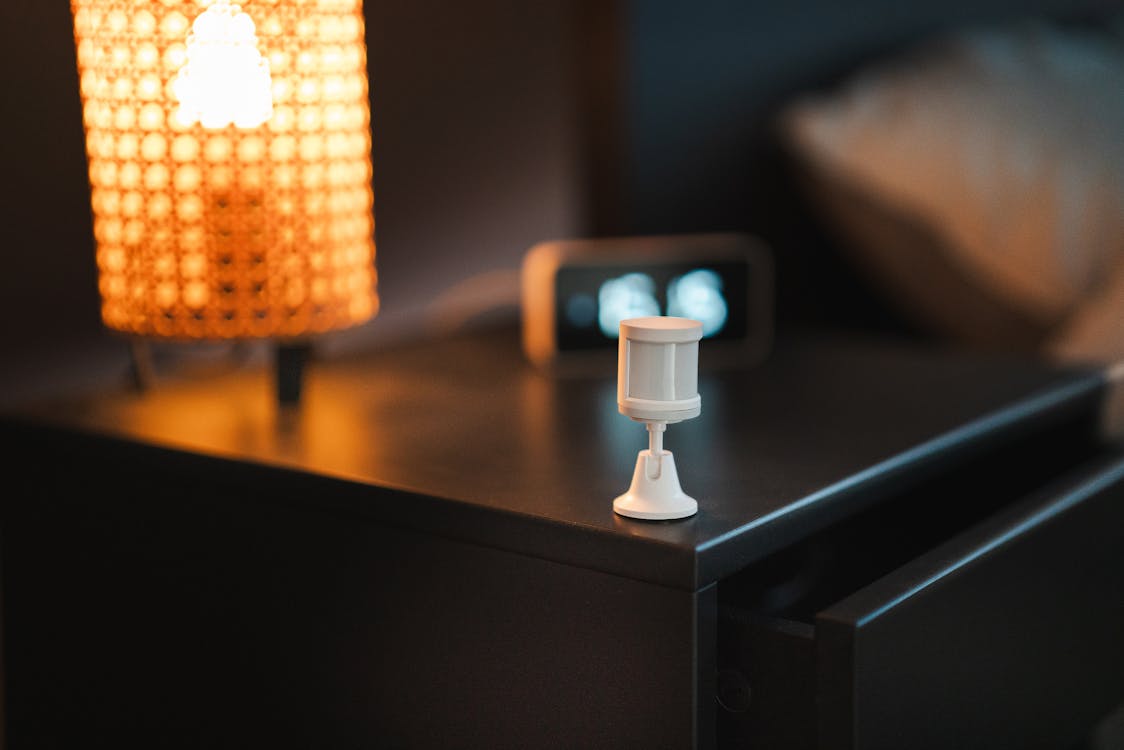
Setting Up Your Smart Lighting System
Transitioning your home into a smart lighting haven may seem daunting, but it’s simpler than you might think. Let’s break down the setup process into manageable steps:
- Choose Your Smart Bulbs: Begin by selecting bulbs compatible with your desired smart home ecosystem. Consider the lighting needs of each area in your home. Colour-changing bulbs may suit the living room, while soft white bulbs might be better in bedrooms.
- Integrate Sensors: Place motion sensors in high-traffic areas to automate your lighting. Ensure they’re positioned correctly for optimal functionality. Light sensors should be ideally placed near windows. This strategic placement maximises their effectiveness.
- Configure Your Device: Use the respective app to connect smart bulbs and sensors to your home network. Most apps will guide you through the process with step-by-step instructions. Don’t forget to name the rooms for easy identification.
- Automation and Routine: Set up automation through the app. You can schedule lights to turn on or off at given times, create scenaries for different times of the day, or trigger them based on sensor inputs.
Common Challenges and Solutions
While smart lighting provides numerous benefits, it’s not without challenges. Connectivity issues often top the list of problems users face. Especially in old homes with thick walls! A solid internet connection is crucial for the smooth operation of smart bulbs and sensors. If your internet is patchy, consider a wifi booster or mesh Wi-Fi systems to improve coverage; it will be worth it. Compatibility issues may arise when integrating with older smart home systems. Do you know your router range? A 2.4GHz WiFi connection offers a wider range but transmits data at significantly slower speeds, while 5GHz provides faster speeds but with a shorter range. Many Wi-Fi-enabled devices specify which GHz range they will work with. Ensuring your devices are compatible before purchasing can prevent this issue entirely. Lag times in response might occur due to network delays or software glitches. Regularly updating device firmware can resolve most lag-related concerns. Moreover, ensure your smart home app is up-to-date, as developers frequently release patches for optimisation and security improvements. 
AI Smart Lighting
The integration of artificial intelligence in smart homes aims to make these lighting systems adaptable to habits and preferences, completely streamlining the user experience. Moreover, as environmental concerns grow, smart lighting contributes to greener living by offering energy efficiencies that traditional lighting solutions cannot match. The synergy between sustainability and clever automation sets a positive outlook for the smart lighting industry’s trajectory. Connecting this innovation with renewable energy sources like solar panels will further revolutionise how households consume electricity and manage their lighting.  Ultimately, automating your lights with smart bulbs and sensors offers a truly bright way to upgrade your home. Whether you’re seeking convenience, energy savings, or added security, smart lighting checks all the boxes. Now that’s something to shine a light on!